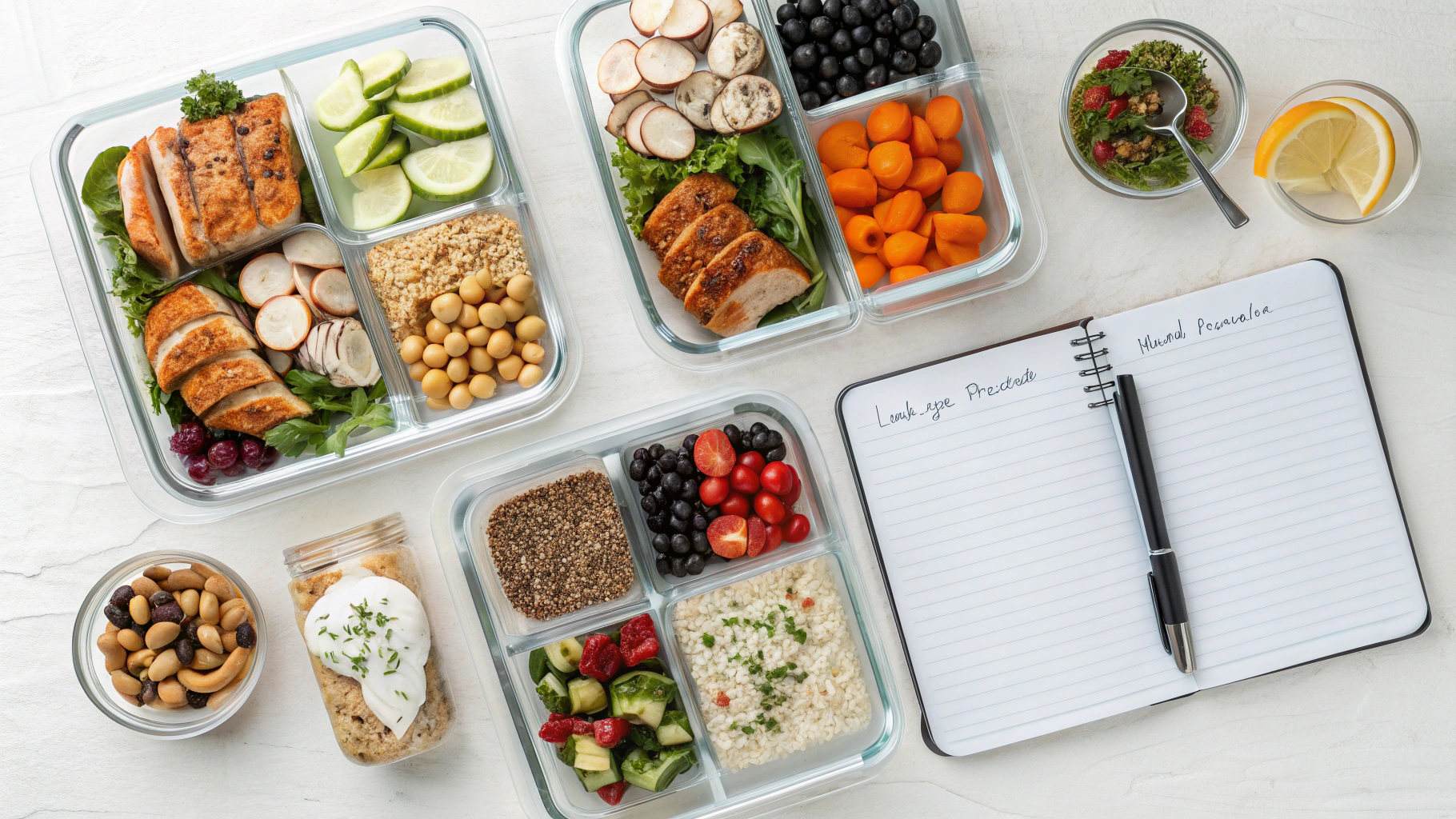
Table of Contents
Introduction
Can simply following a 2 week high-protein diet menu—without obsessively counting every calorie—really reduce cravings, stabilize energy, and protect your muscle mass more effectively than a traditional low‑fat or low‑carb diet?
Emerging research suggests yes. Controlled trials show that diets where 25–30% of calories come from protein can significantly improve satiety and help preserve lean body mass compared to lower‑protein diets, even when total calories are similar. That challenges the old belief that “a calorie is just a calorie.”
In this post, we’ll treat your entire 2 week high-protein diet menu like a single recipe:
- You’ll get a clear list of “ingredients” (foods to stock).
- Specific timing and meal-prep strategies.
- Step‑by‑step instructions for building a 14‑day high-protein meal plan.
- Nutritional breakdowns, healthier variations, and smart storage tips.
By the end, you’ll have a customizable, evidence‑informed 14‑day protein-rich diet plan you can plug into your life—whether your goal is weight loss, muscle gain, or simply feeling fuller and more energized.
Disclaimer: This guide is for generally healthy adults. If you have kidney disease, liver issues, diabetes, or other chronic conditions, talk to your healthcare provider or a registered dietitian before making major changes to your protein intake.
Ingredients List: What You Need for Your 2 Week High-Protein Diet Menu
Instead of ingredients for a single dish, this “recipe” lists the building blocks you’ll mix and match across your two-week high-protein meal plan. You don’t have to buy everything; select the items you like, that fit your budget, and align with your dietary pattern (omnivore, vegetarian, pescatarian, etc.).
1. Protein Powerhouses (Pick 6–10)
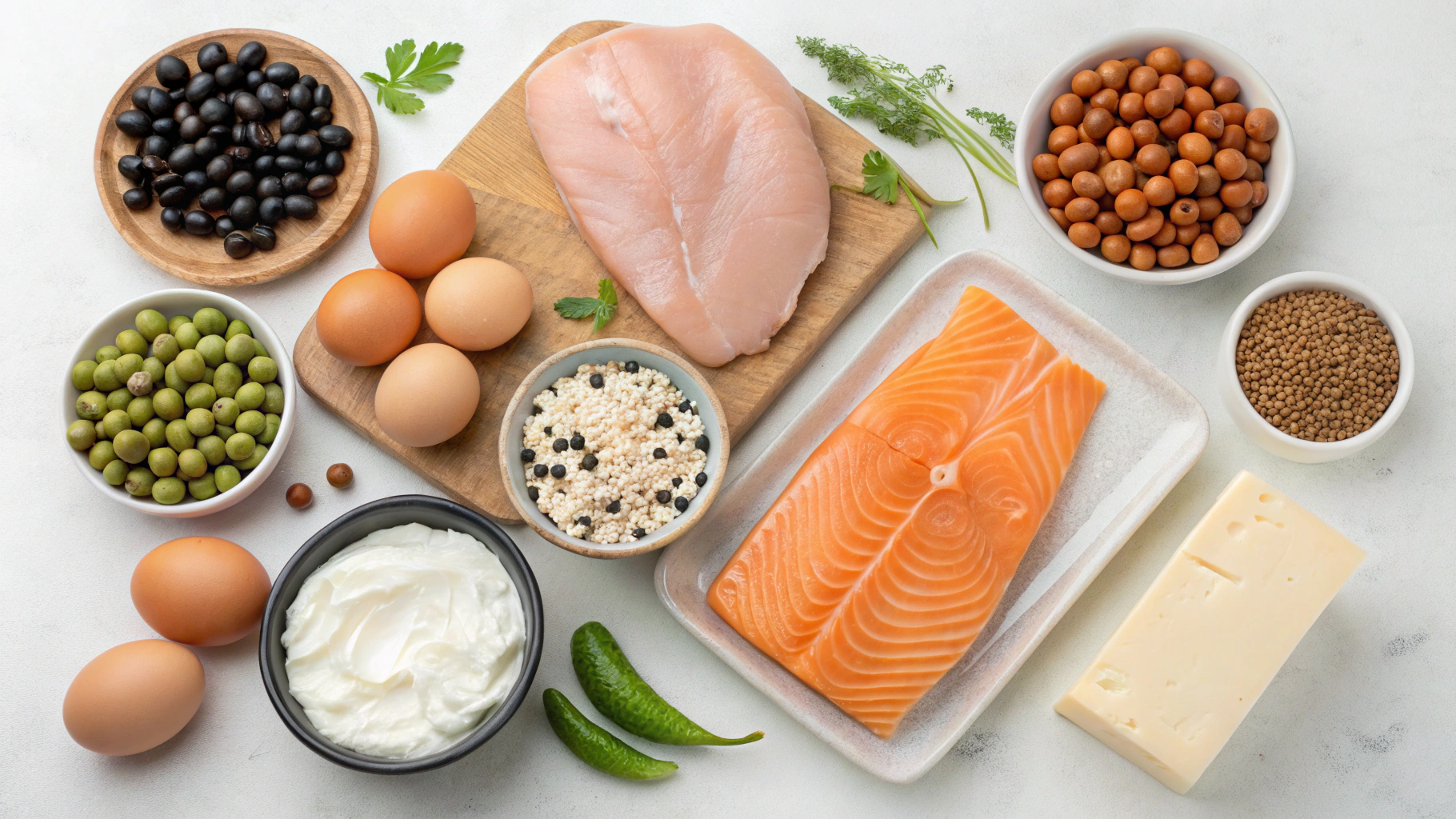
These are the backbone of your 2 week high-protein diet menu. Aim for a blend of animal and plant proteins to maximize amino acid diversity.
Animal-based proteins
- Chicken breast or thighs, skinless
Lean, versatile, mild flavor that soaks up any marinade—garlic-herb, smoky paprika, citrusy.- Substitutes: Turkey breast, lean pork loin.
- Lean ground turkey or beef (90–95% lean)
Perfect for chilis, meatballs, bolognese, and burger patties.- Substitutes: Ground chicken, extra-lean plant-based mince.
- Eggs + liquid egg whites
Whole eggs add richness and nutrients; egg whites provide almost pure protein. Ideal for scrambles, frittatas, and baking. - Greek yogurt (0–2% plain)
Thick, creamy, slightly tangy; doubles as breakfast, snack, or sauce base. - Cottage cheese
Mild, creamy, high in casein (slow-digesting protein) – great for nighttime snacks. - Fresh or frozen salmon
Buttery, rich, packed with omega‑3 fatty acids.- Substitutes: Trout, mackerel, or canned salmon.
- White fish (cod, haddock, tilapia)
Light, flaky, very lean. Great baked with herbs or in fish tacos. - Canned tuna, sardines, or mackerel (in water)
Budget-friendly, shelf-stable, perfect for quick high-protein lunches.
Plant-based proteins
- Firm or extra‑firm tofu
Neutral taste that absorbs sauces; great grilled, baked, or stir-fried. - Tempeh
Nutty, chewy, fermented soybean cake—excellent marinated and pan-seared. - Lentils (dry or canned)
Earthy, hearty, cook quickly; ideal for stews, curries, and salads. - Chickpeas & black beans
Creamy in stews, crisp when roasted. Excellent for bowls and wraps. - Edamame (frozen)
Sweet and slightly nutty; an easy, salty snack or salad topper. - Protein powder (whey, pea, soy, or rice)
Convenient way to add 20–25 g protein to smoothies, oats, and yogurt.
2. Smart Carbohydrate Sources
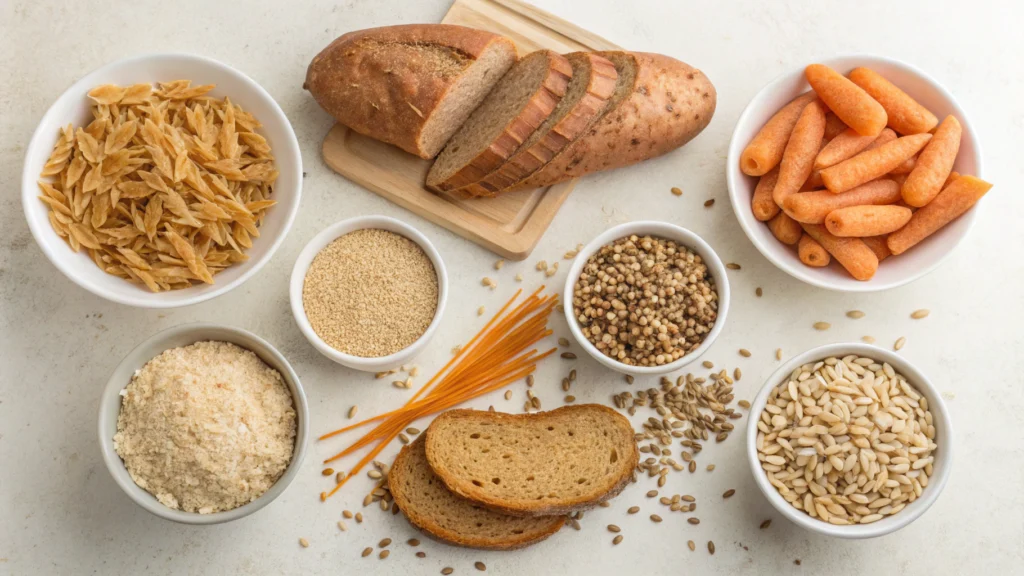
Protein satisfies, but complex carbs and fiber support steady energy, performance, and gut health.
Whole grains & starchy carbs
- Rolled or steel‑cut oats
- Quinoa
- Brown rice or wild rice
- Whole-grain or legume-based pasta
- Sweet potatoes and baby potatoes
- Whole-grain or sprouted bread
- Whole-grain or low‑carb wraps
Lower-carb swaps
If you’re leaning toward a low-carb high-protein diet:
- Cauliflower rice instead of white or brown rice.
- Zucchini or konjac noodles instead of pasta.
- Large lettuce leaves instead of tortillas or wraps.
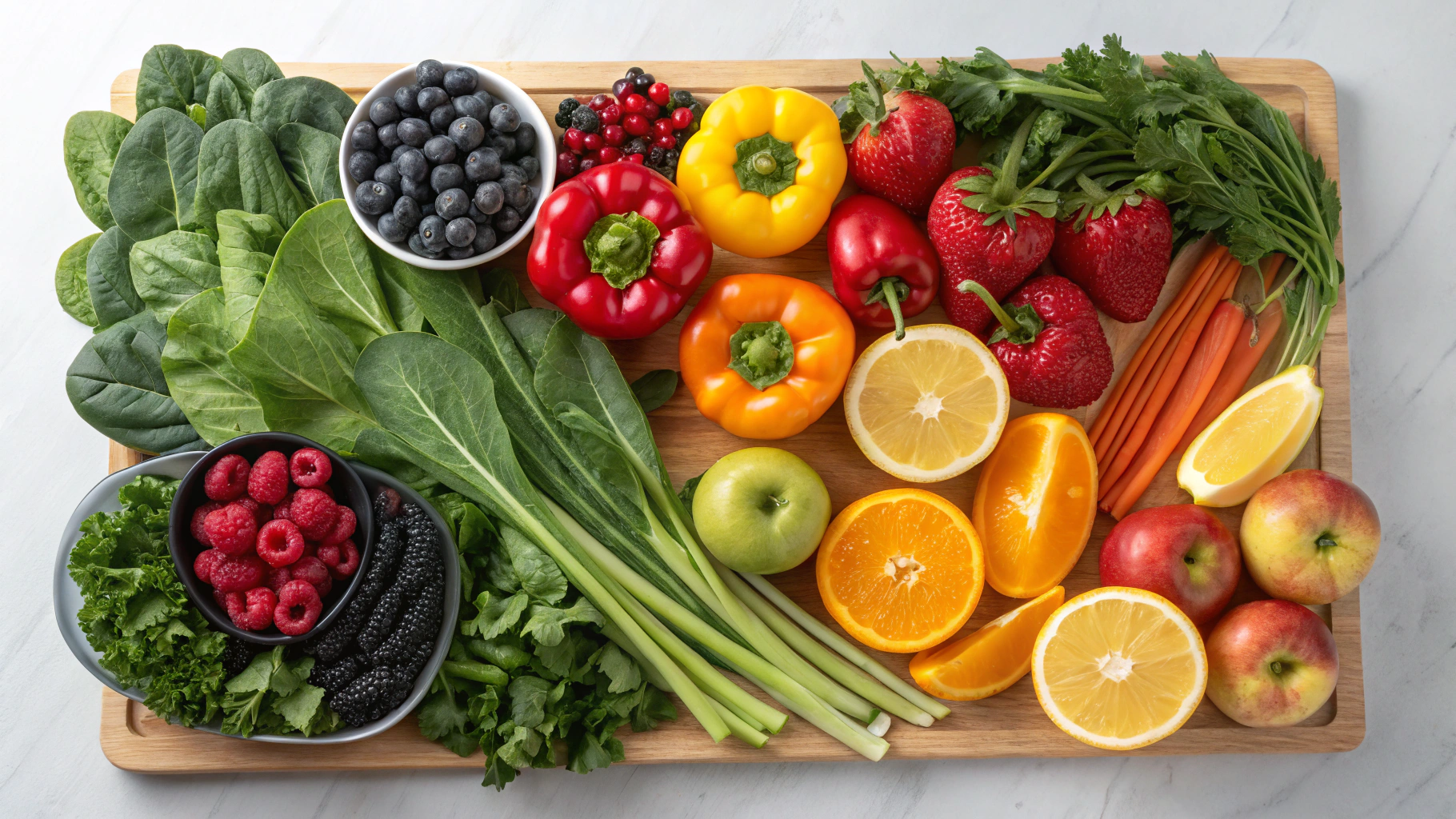
3. Vegetables & Fruit (Your Colorful Micronutrient Boosters)
A balanced high-protein meal plan isn’t just meat and shakes. Plants matter for fiber, vitamins, minerals, and long-term health.
Vegetables (aim for 2–3 cups/day)
- Leafy greens: spinach, kale, romaine, arugula.
- Crunchy veggies: bell peppers, cucumbers, celery, carrots.
- Roasting veggies: broccoli, cauliflower, Brussels sprouts, green beans.
- Flavor base: onions, garlic, leeks, scallions.
- Tomatoes (fresh or canned) for sauces and stews.
Fruits (1–2 servings/day)
- Berries (fresh or frozen) – high in fiber and antioxidants.
- Apples and pears – juicy, crisp, great with yogurt or cottage cheese.
- Bananas – creamy in smoothies or on protein oats.
- Citrus (oranges, clementines, grapefruit) – refreshing vitamin C source.
4. Healthy Fats & Flavor Enhancers
Fats help hormones, brain health, and satisfaction. Herbs and spices transform high-protein recpes from bland to craveable.
Healthy fats
- Extra-virgin olive oil, avocado oil, or canola oil.
- Avocados.
- Nuts and seeds: almonds, walnuts, chia, flax, pumpkin seeds, sunflower seeds.
- Nut and seed butters: peanut, almond, tahini.
Flavor boosters
- Soy sauce or tamari (low-sodium if needed).
- Hot sauce, sriracha, chili flakes, chili oil.
- Mustard (Dijon, wholegrain).
- Vinegars: apple cider, balsamic, red wine.
- Greek yogurt (for creamy sauces and dressings).
- Fresh herbs: cilantro, parsley, basil, dill, mint.
- Dried spices: cumin, smoked paprika, oregano, thyme, curry powder, garlic/onion powder, black pepper.
5. Easy Substitutions
- Dairy-free:
- Swap Greek yogurt for soy or coconut yogurt with added protein.
- Use silken tofu in smoothies instead of whey protein.
- Gluten-free:
- Choose gluten-free oats, rice, quinoa, GF pasta and wraps.
- Vegetarian or vegan:
- Use tofu, tempeh, lentils, beans, and plant-based mince instead of poultry and fish.
- Budget-conscious:
- Emphasize canned fish, eggs, dried beans, lentils, and frozen vegetables.
Timing: How Long This 2 Week High-Protein Diet Menu Really Takes
Following a structured 2 week high-protein diet menu doesn’t mean you’ll be chained to the stove. The secret is strategic meal prep.
Upfront Planning & Shopping
- Time: 45–60 minutes on Day 0
- 15–20 minutes to skim this guide and map out your week.
- 30–40 minutes to create a shopping list and hit the store (or order online).
Weekly Meal Prep Sessions
For most people, one longer prep session + one shorter top‑up works best:
- Main prep session (e.g., Sunday):
- Time: 75–90 minutes
- You’ll cook 2–3 proteins, 1–2 grains, and prep veggies.
- This is often 20–30% less time than cooking from scratch every evening.
- Midweek mini-prep (e.g., Wednesday):
- Time: 30–40 minutes
- Refresh produce, cook 1 new protein, prepare a fresh batch of grains if needed.
Daily Cooking & Assembly
- Breakfast: 2–10 minutes (most are prepped ahead or very quick).
- Lunch: 5–10 minutes (assemble from prepped ingredients).
- Dinner: 15–25 minutes (usually reheating and adding fresh elements).
- Snacks: 1–2 minutes (grab-and-go items like yogurt, nuts, or boiled eggs).
Total active time per day: approximately 20–40 minutes, far less than many people already spend figuring out last‑minute meals and ordering takeout.
Step-by-Step Instructions for Your 2 Week High-Protein Diet Menu
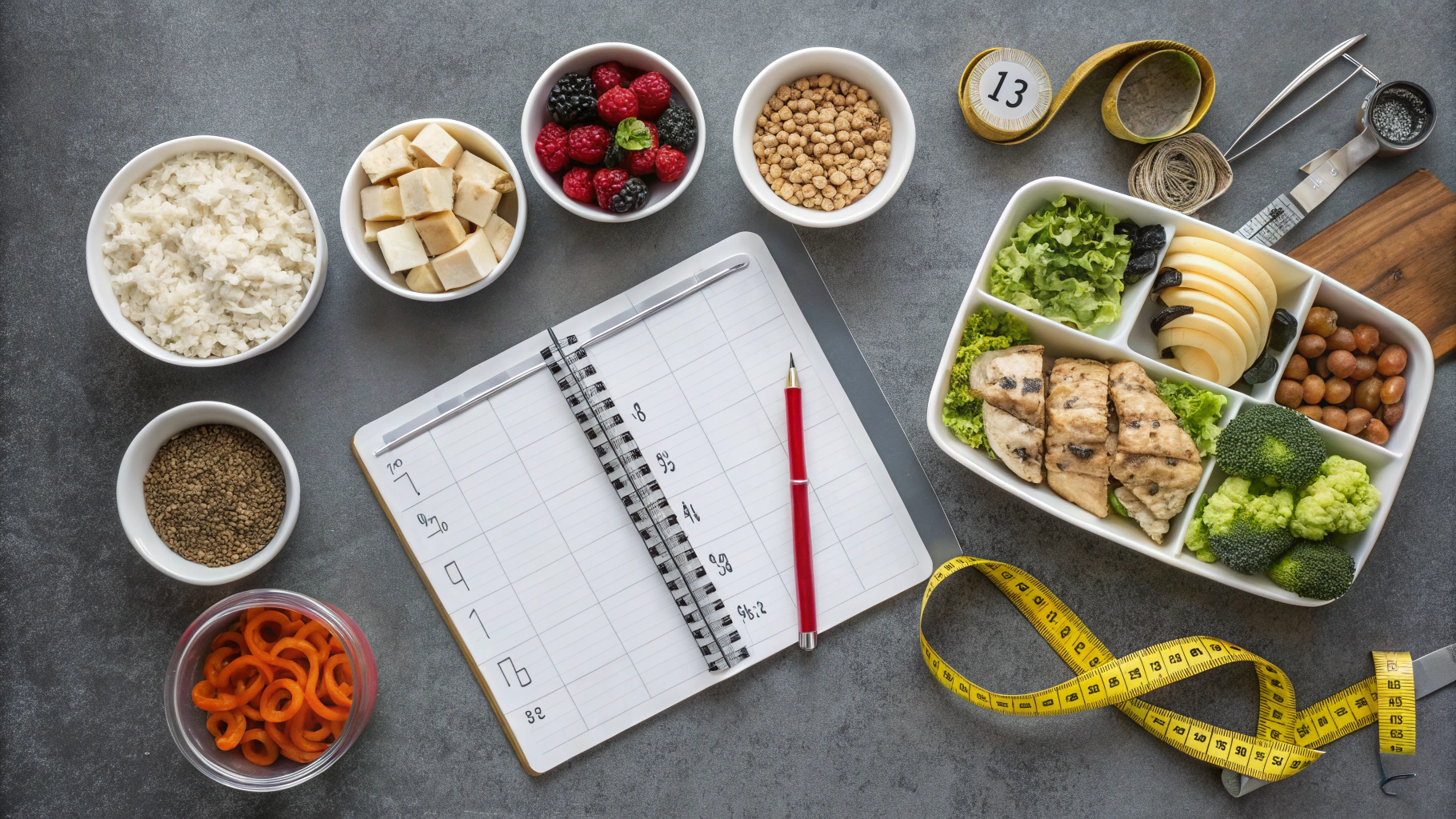
Below is the “method” section of this recipe-style guide. Each step helps you build, follow, and customize your 14-day high-protein plan so it fits your lifestyle.
Step 1: Define Your Goal and Baseline
Before touching a single ingredient, clarify what you want from this 2 week high-protein diet menu:
- Fat loss (most common): You want to lose body fat while keeping as much muscle as possible.
- Muscle gain or recomposition: You’re training and want more lean mass, maybe while losing some fat.
- Energy, appetite, and health: You want more stable energy, fewer cravings, and better blood sugar control.
Action:
- Note your current weight, and optionally take waist or hip measurements.
- Decide on one primary goal (fat loss, gain, or performance).
- Commit to following this plan 80–90% of the time for 14 days—perfection not required.
Step 2: Set Your Daily Protein and Calorie Targets
Research suggests that most active adults do well on 1.2–2.0 g of protein per kg of body weight per day.
Quick guide:
- If you’re less active or just starting: 1.2–1.5 g/kg.
- If you’re moderately to very active or focused on muscle: 1.6–2.0 g/kg.
Example:
- 60 kg (132 lb) person → ~75–90 g/day.
- 75 kg (165 lb) person → ~95–130 g/day.
- 90 kg (198 lb) person → ~110–160 g/day.
A practical target for many adults on a high-protein diet plan is 90–130 g/day, split across meals.
For calories:
- Fat loss: Aim for a modest deficit (e.g., 300–500 kcal below maintenance).
- Maintenance/performance: Stay roughly at maintenance but shift macros toward more protein.
- Muscle gain: Slight surplus (e.g., 200–300 kcal above maintenance).
Not sure of your maintenance? Use a reputable online calculator as a starting point, then adjust based on 1–2 weeks of results.
Step 3: Shop and Stock Your Kitchen
Now translate your targets into actual foods so your 2 week high-protein diet menu is practically fool‑proof.
Action:
- Choose 3–4 primary proteins for Week 1 (e.g., chicken breast, lentils, tofu, Greek yogurt).
- Choose 2 grains (e.g., oats and brown rice) and 2–3 starchy veggies (e.g., sweet potatoes, baby potatoes).
- Load up on a mix of fresh and frozen vegetables and berries.
- Grab healthy fats and flavor boosters you’re excited to use.
Think in portions, not just ingredients. For example:
- 14–18 palm-sized servings of protein (enough for 2–3/day for a week).
- 10–14 fist-sized servings of whole carbs (adjust if low-carb).
- 14+ handfuls of veggies (at least 2/day).
This ensures you don’t “run out of protein” halfway through your high-protein menu and default to toast or cereal.
Step 4: Batch-Prep Your Core Components
On your main prep day, treat the kitchen like a mini production line. You’re creating the base layers of your 2 week high-protein diet menu, not complete meals.
Action:
- Cook 2–3 proteins in bulk
- Sheet-pan chicken:
- Toss chicken breasts/thighs with olive oil, garlic powder, paprika, salt, and pepper.
- Roast at 400°F (200°C) for 20–25 minutes until cooked through.
- Big pot of lentil or bean chili:
- Sauté onions, garlic, peppers; add lentils or beans, canned tomatoes, broth, chili powder; simmer 25–30 minutes.
- Baked tofu:
- Press tofu, cube it, marinate in soy sauce + spices, bake at 400°F (200°C) for 20–25 minutes until edges are golden.
- Sheet-pan chicken:
- Cook 1–2 grains
- Quinoa, brown rice, or wild rice—make 3–4 cups cooked total for the week.
- Prep vegetables
- Wash and chop salad greens, cucumbers, peppers, and carrots.
- Roast a tray of broccoli, cauliflower, or Brussels sprouts with olive oil and spices.
- Prep a few breakfasts or snacks
- Overnight oats jars with protein powder.
- Boiled eggs.
- Pre-portioned Greek yogurt cups with frozen berries.
In about 75–90 minutes, you’ll have a week’s worth of protein, carbs, and veggies ready to combine into simple, macro-friendly meals.
Step 5: Follow This Sample 14-Day High-Protein Menu
Here’s a ready-to-use 2 week high-protein diet menu you can follow as-is or adapt. Portions are approximate and can be scaled up or down based on your needs.
Note: These examples are for inspiration. Swap ingredients freely within the same category (e.g., chicken ↔ tofu, rice ↔ quinoa).
Day 1
- Breakfast: Greek yogurt (1 cup) + ½ cup berries + 1–2 tbsp chia seeds.
- Lunch: Chicken grain bowl – 120 g chicken, ½–¾ cup quinoa, roasted broccoli, olive oil drizzle.
- Dinner: Lentil chili with side salad (mixed greens, cucumber, tomato).
- Snack: Cottage cheese (½–1 cup) with sliced apple.
Day 2
- Breakfast: Veggie omelet – 2 eggs + ½ cup egg whites, spinach, mushrooms, tomatoes.
- Lunch: Tuna salad wrap with whole-grain tortilla, lettuce, and pickles.
- Dinner: Baked salmon, roasted Brussels sprouts, small baked sweet potato.
- Snack: Protein shake + a small banana.
Day 3
- Breakfast: Overnight oats with protein powder, almond milk, and frozen berries.
- Lunch: Chickpea and veggie salad with olive oil–lemon dressing.
- Dinner: Tofu stir‑fry with mixed vegetables over cauliflower rice.
- Snack: Roasted edamame or chickpeas.
Day 4
- Breakfast: Cottage cheese bowl with pear slices, walnuts, and cinnamon.
- Lunch: Leftover lentil chili over a small portion of rice.
- Dinner: Grilled chicken, sautéed green beans, and potatoes.
- Snack: Greek yogurt with a handful of nuts.
Day 5
- Breakfast: Protein smoothie (protein powder, berries, spinach, milk of choice, peanut butter).
- Lunch: Quinoa & black bean burrito bowl with salsa and avocado.
- Dinner: Turkey or veggie chili with bell peppers and onions.
- Snack: Boiled eggs with carrot sticks.
Day 6
- Breakfast: High-protein pancakes (oats, egg whites, cottage cheese) topped with yogurt and fruit.
- Lunch: Leftover chili over roasted sweet potato.
- Dinner: Fish tacos on corn tortillas with cabbage slaw and yogurt-lime sauce.
- Snack: String cheese (or dairy-free alternative) + handful of almonds.
Day 7
- Breakfast: Tofu scramble with peppers, onions, and nutritional yeast, plus whole-grain toast.
- Lunch: Big salad with mixed beans, feta (optional), cucumbers, olives.
- Dinner: Lean beef or lentil Bolognese over whole-grain or legume pasta.
- Snack: Protein bar (15–20 g protein, low added sugar).
Week 2 (Days 8–14)
Repeat the structure, but mix up flavors so you don’t get bored.
- Breakfasts: Rotate between yogurt bowls, smoothies, overnight oats, scrambles, and pancakes.
- Lunches: Keep simple bowls and wraps, swap proteins (chicken ↔ tofu ↔ tuna) and grains.
- Dinners: Introduce new profiles:
- Mediterranean: Salmon with olives and tomatoes.
- Mexican-inspired: Chicken burrito bowls.
- Curry night: Lentil or chickpea curry with spinach.
For example:
- Day 8 dinner: Baked tofu sheet pan with Brussels sprouts and carrots.
- Day 9 dinner: Salmon with asparagus and quinoa.
- Day 10 dinner: Lentil curry over cauliflower rice.
- Day 12 dinner: Turkey meatballs in tomato sauce over zucchini noodles.
- Day 13 dinner: White fish baked in foil with tomatoes, olives, and herbs.
- Day 14 dinner: “Leftover remix” using remaining proteins and veggies.
Use this framework as your template, not a prison. The key is consistent protein and plants, not identical meals.
Step 6: Adjust Portions to Your Body and Hunger
The same 2 week high-protein diet menu will look different on a 55 kg person versus a 95 kg person.
Rule of thumb using hand portions:
- Protein:
- Women: 1–2 palm-sized servings per meal.
- Men: 2 palm-sized servings per meal.
- Carbs:
- Start with 1 cupped-hand serving per meal; adjust based on energy and goals.
- Fats:
- 1–2 thumb-sized portions per meal (e.g., nuts, oil, avocado).
If you’re consistently:
- Too hungry → Slightly increase carbs, fats, or add a protein snack.
- Too full or gaining weight unintentionally → Trim carbs or fats slightly (don’t cut protein first).
Trust both data (weight/measurements) and biofeedback (hunger, energy, mood).
Step 7: Track Progress and Tweak After Week 1
Halfway through your 14-day high-protein plan, pause and check in.
Action at the end of Week 1:
- Re-measure weight, and optionally waist/hip.
- Note: hunger levels, cravings, energy, sleep, performance in workouts.
If things are going well, change very little. Small adjustments beat big overhauls.
If you’re struggling:
- Too hungry? Add 100–150 kcal from carbs and/or fats, keep protein high.
- Not losing fat? Reduce 100–200 kcal mostly from carbs/fats; maintain protein.
- Low energy? Check sleep, hydration, and total calories.
This adaptive approach is what makes this 2 week high-protein diet menu sustainable instead of a crash diet.
Step 8: Plan Your Exit Strategy (Beyond Day 14)
Don’t let your results disappear on Day 15.
- Keep the structure: protein + plants at every meal.
- Relax the rules a bit: allow more social meals, desserts, or flexible carbs, while anchoring each day with at least 2–3 high-protein meals.
- Reuse your favorite breakfasts, lunches, and dinners from this menu as your new default rotation.
Think of this not as a 14‑day challenge, but a two-week reset that teaches you how to build a protein-forward eating pattern you can maintain.
Nutritional Information: What This 2 Week High-Protein Diet Menu Delivers
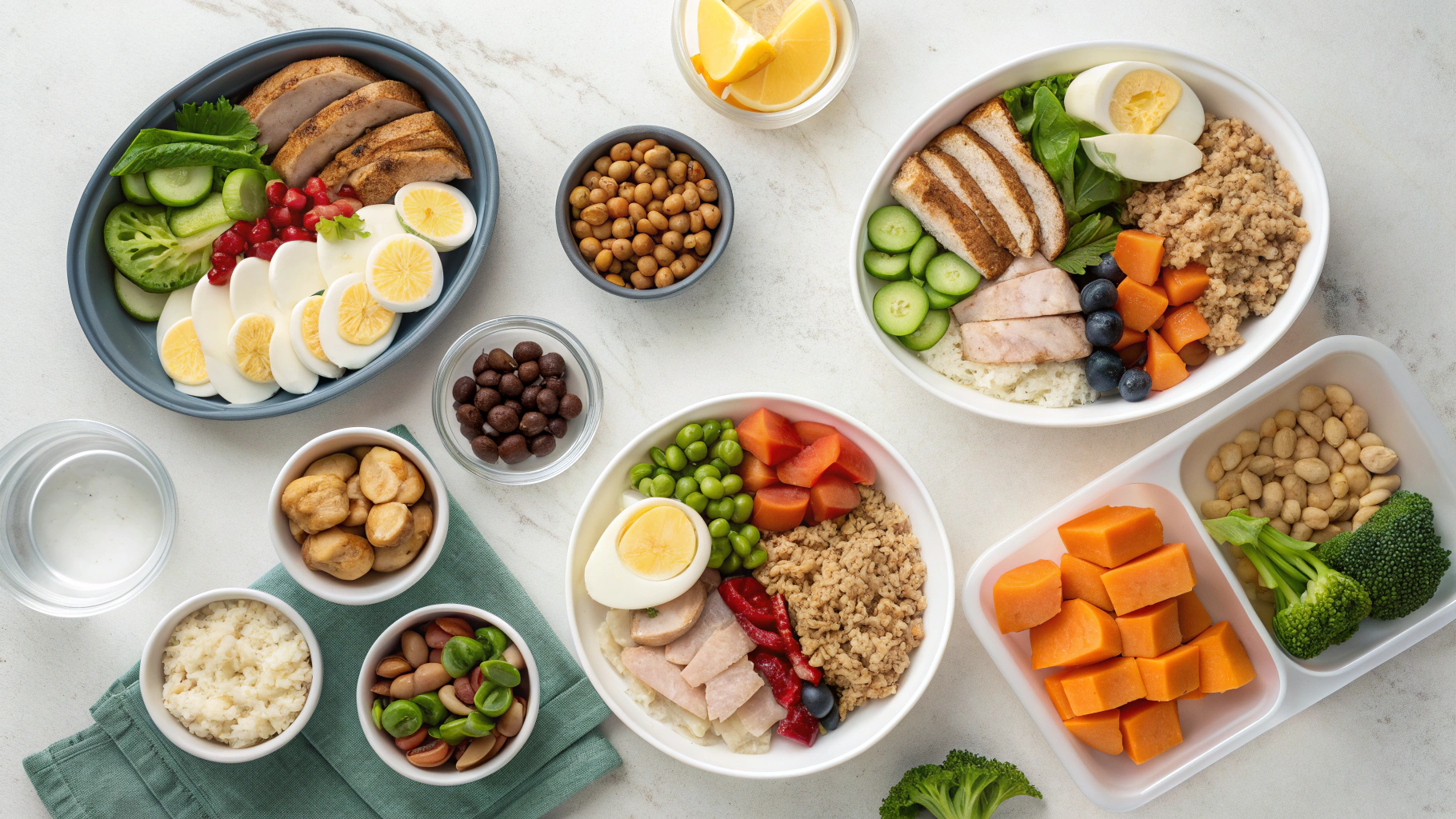
Exact numbers depend on your portions and substitutions, but here’s what a typical day from this high-protein meal plan might look like if you’re moderately active and aiming for fat loss.
Approximate Daily Totals
- Calories: 1,600–1,900 kcal
- Protein: 100–130 g (about 25–30% of calories)
- Carbohydrates: 130–200 g (about 30–45% of calories)
- Fats: 50–70 g (about 25–35% of calories)
- Fiber: 25–35 g
Sample Day Macros (e.g., Day 3)
| Meal | Approx. Calories | Protein (g) | Carbs (g) | Fat (g) | Fiber (g) |
|---|---|---|---|---|---|
| Breakfast | 380 | 28 | 45 | 8 | 7 |
| Lunch | 430 | 30 | 40 | 15 | 8 |
| Snack | 220 | 18 | 18 | 7 | 4 |
| Dinner | 600 | 40 | 50 | 22 | 9 |
| Total | 1,630 | 116 | 153 | 52 | 28 |
Why This Macro Pattern Works
- Higher protein (25–30% of calories)
- Increases satiety hormones and reduces hunger hormones.
- Helps maintain or build lean muscle, especially alongside resistance training.
- Has a higher thermic effect of food (20–30% of protein calories used for digestion) compared to carbs and fats.
- Moderate, high-fiber carbs
- Support performance, recovery, and brain function.
- Fiber helps with fullness and blood sugar control.
- Healthy fats
- Support hormones, vitamin absorption, and satisfaction.
This balanced high-protein macro split aligns with evidence-based guidelines for fat loss and metabolic health for many adults, while remaining flexible enough to adjust up or down.
Healthier Alternatives for the Recipe
One strength of a good 2 week high-protein diet menu is how easily you can tweak it for different needs without sacrificing flavor.
1. Lower-Carb / Keto-Leaning Variations
- Swap grains with:
- Extra non-starchy veg (broccoli, cauliflower, greens).
- Cauliflower rice instead of rice.
- Zucchini noodles instead of pasta.
- Focus on:
- Fatty fish (salmon, mackerel), eggs, avocado, nuts.
- Example: Chicken stir-fry over cauliflower rice instead of brown rice.
2. Plant-Based / Vegan Options
- Replace chicken, turkey, and fish with:
- Tofu, tempeh, seitan (if gluten is tolerated).
- Lentils, chickpeas, black beans, edamame.
- Use:
- Soy, pea, or rice protein powders for smoothies and oats.
- Fortified plant yogurts (soy, pea-based) instead of Greek yogurt.
- Example: Swap salmon dinner with marinated baked tofu and use lentil Bolognese instead of beef.
3. Dairy-Free Adjustments
- Use dairy-free yogurt (soy or coconut with added protein) in place of Greek yogurt.
- Replace cottage cheese with:
- Crumbled tofu seasoned with lemon and herbs.
- Dairy-free “ricotta”-style spreads.
- Choose dairy-free cheeses sparingly and focus on whole foods for fats and flavor.
4. Budget-Friendly Tweaks
- Base most meals on:
- Eggs
- Canned tuna
- Dried beans and lentils
- Frozen vegetables
- Cook large one-pot dishes like lentil stews, bean chilis, and rice-and-bean skillets and eat them across multiple days.
These modifications keep the core principle of your 2 week high-protein diet menu—protein at the center, plants all around—while adapting to your preferences and constraints.
Serving Suggestions
Presentation and pairing can turn a simple high-protein meal into something you genuinely look forward to.
Make It Visually Appealing
- Serve bowls with layers: grains/greens at the bottom, protein in the center, colorful vegetables and sauces on top.
- Use contrasting colors: bright peppers, purple cabbage, vibrant greens next to neutral proteins.
- Garnish with fresh herbs, lemon wedges, or a sprinkle of seeds.
Flavourful Pairings
- Greek yogurt bowls → add crunch (granola, nuts), sweetness (fruit), and spice (cinnamon).
- Chili or lentil stew → top with Greek yogurt or avocado, cilantro, and lime.
- Fish or tofu → finish with a squeeze of lemon and a drizzle of herby olive oil.
- Wraps and tacos → bulk up with slaw, salsa, and pickled onions.
Tailored Ideas
- For busy professionals:
- Build portable bowls in sealable containers; keep sauces in small side containers.
- For families:
- Create “build‑your‑own” taco or bowl nights so kids can assemble their plates.
- For picky eaters:
- Keep the same protein and veg, but offer multiple sauces (BBQ, yogurt-garlic, teriyaki).
Small serving upgrades make your 2 week high-protein diet menu feel like a restaurant experience without the cost.
Common Mistakes to Avoid
Even a solid high-protein diet plan can fail if you run into these avoidable pitfalls.
1. Eating Too Little Overall
People often hear “high protein” and also slash calories aggressively. This can:
- Tank your energy.
- Increase cravings and binges.
- Impair recovery, especially if you’re training.
Fix: Aim for a moderate deficit (if fat loss is the goal), not a crash diet. Keep protein high and carbs/fats adequate for your activity level.
2. Neglecting Fiber and Vegetables
A plate full of chicken but almost no plants can lead to:
- Constipation or gut discomfort.
- Micronutrient deficiencies over time.
- Poor long-term adherence (bland meals).
Fix: Aim for at least 2–3 cups of vegetables and 1–2 servings of fruit daily. Use beans and lentils for both protein and fiber.
3. Relying Only on Shakes and Bars
Protein supplements can help you hit your target, but:
- Many bars are ultra-processed and high in sweeteners.
- Liquid calories may be less satiating than whole foods.
Fix: Use protein shakes and bars as tools, not the foundation. Try to get at least 70–80% of your protein from whole foods.
4. Underhydrating on a High-Protein Plan
Protein metabolism increases your body’s need for fluids. Dehydration can worsen:
- Fatigue
- Headaches
- Digestive issues
Fix: Aim for 1.5–2 liters of water per day as a baseline, more if you’re active. Herbal teas and sparkling water count.
5. Not Planning for Real Life (Travel, Social Events, Busy Days)
A rigid plan shatters the moment life gets messy.
Fix:
- Pre-decide “good enough” options when eating out: grilled chicken or fish, bean chili, tofu stir-fries, salads with added protein.
- Keep backup options: canned tuna, eggs, frozen veggies, protein powder.
Your 2 week high-protein diet menu should bend when life demands it, not snap.
Storing Tips for the Recipe
Smart storage lets you cook less often while keeping your high-protein meals safe, fresh, and tasty.
Refrigeration Guidelines
- Cooked poultry, meat, tofu, and fish:
- Store in airtight containers for 3–4 days.
- Cooked beans, lentils, and grains:
- Keep for 4–5 days in sealed containers.
- Prepared salads:
- Store greens, toppings, and dressings separately; assemble just before eating.
- Yogurt, cottage cheese, plant yogurts:
- Usually good for 5–7 days after opening—check date, smell, and texture.
Freezing Tips
Best items to freeze as part of your two-week high-protein meal plan:
- Chili, soups, stews, curries.
- Cooked chicken pieces or ground turkey dishes.
- Cooked beans and lentils.
How to:
- Portion into single-serve containers.
- Label with name and date.
- Freeze for up to 2–3 months.
- Thaw overnight in the fridge or reheat from frozen on low heat.
Food Safety Essentials
- Don’t leave cooked food out for more than 2 hours at room temperature.
- Store leftovers promptly in shallow containers for quicker cooling.
- Reheat food until it’s steaming hot (165°F / 74°C) before eating.
- When in doubt, throw it out—food poisoning is never worth it.
Good storage habits make your 2 week high-protein diet menu far easier to stick with, because there’s always something safe and satisfying waiting in the fridge or freezer.
Conclusion
This 2 week high-protein diet menu gives you a clear, flexible framework: stock smart ingredients, batch‑prep key proteins and grains, build simple protein‑plus‑plants meals, and adjust portions to your goals. In just 14 days, you can feel fuller, support your muscles, and simplify food decisions.
Try this menu for the full two weeks, then come back and share your experience in the review section or comments. Let us know your favorite meals and what you’d like to see next, and subscribe to our blog for more high-protein recipes, meal plans, and practical nutrition tips.
FAQs
1. Is a 2 week high-protein diet menu safe for beginners?
For most generally healthy adults, a two-week high-protein plan is safe and can be beneficial. Research supports intakes of 1.2–2.0 g of protein per kg of body weight for active adults, especially when combined with resistance training. However, if you have kidney disease, liver issues, or other chronic conditions, consult your healthcare provider before making major dietary changes.
2. Do I have to track calories to use this menu?
No. This 2 week high-protein diet menu is designed so you can:
- Either eyeball portions using hand-based guidelines (palms for protein, fists for carbs, thumbs for fats).
- Or track with an app if you enjoy data and want extra precision.
If fat loss is your goal and progress stalls after 2–3 weeks, light tracking for a few days can help you spot hidden calorie sources (oils, snacks, sugary drinks).
3. Can I follow this if I’m vegetarian or vegan?
Yes. The structure stays the same; you just adjust the protein sources:
- Use tofu, tempeh, seitan (if gluten-tolerant), lentils, beans, and edamame instead of meat and fish.
- Swap Greek yogurt and cottage cheese for high-protein soy or pea-based yogurts and tofu-based snacks.
- Use plant-based protein powder in smoothies and oats.
You may need slightly larger portions of plant proteins to hit the same protein grams as animal sources.
4. Will a high-protein diet help me lose weight faster?
Higher protein can support fat loss, but it isn’t magic by itself. It helps by:
- Increasing satiety so you naturally eat fewer calories.
- Helping maintain muscle while in a calorie deficit.
- Slightly increasing daily calorie burn via the thermic effect of food.
Pair this high-protein diet plan with a modest calorie deficit, regular movement (especially strength training), and good sleep for best results.
5. Can I build muscle with this 2 week high-protein diet menu?
Yes—especially if you:
- Perform progressive strength training 2–4 times per week.
- Aim toward the higher end of the protein range (around 1.6–2.0 g/kg).
- Eat enough total calories (slight surplus if your primary goal is muscle gain).
Use this menu as your base and adjust portion sizes upward as needed to support muscle-building.
6. What if I don’t like cooking?
This plan is built for minimalists too. Focus on:
- No-cook or low-cook options like Greek yogurt bowls, canned tuna, pre-cooked chicken strips, and frozen vegetables.
- Simple combinations (protein + microwaveable grain + bagged salad).
- Batch cooking 1–2 times per week so daily assembly takes under 10 minutes.
You don’t have to be a chef to follow a 2 week high-protein diet menu—you just need a few reliable, simple meal formulas.
7. Can I combine this menu with intermittent fasting?
Yes, many people successfully combine a high-protein diet with time-restricted eating (e.g., 16:8). Just make sure you:
- Still hit your total daily protein target within your eating window.
- Distribute protein across 2–3 meals, each with at least 25–30 g.
- Monitor how fasting affects your energy, workouts, and sleep.
If you feel overly hungry or your performance drops, widen your eating window or add another high-protein meal.
8. How do I adapt this plan if I’m very active?
If you train hard (heavy lifting, sports, endurance):
- Increase total calories, mostly from complex carbs around workouts.
- Keep protein high (1.6–2.0 g/kg).
- Consider a post-workout meal or shake with 20–30 g protein and some carbs.
You can use the exact same 2 week high-protein diet menu and simply boost portion sizes of grains, potatoes, and fruit on training days.
9. What if I get bored of eating similar meals?
Boredom is often about flavor, not structure. To keep things interesting:
- Rotate sauces and seasonings (Mexican, Mediterranean, Asian-style, BBQ).
- Use the same protein in different formats:
- Chicken in stir-fries, salads, wraps, and soups.
- Lentils in stews, curries, and pasta sauces.
- Try 1–2 new high-protein recipes each week while keeping the rest familiar.
Think of this menu as your base template, with flavors you can remix endlessly.
10. What should I do after the 2 weeks are over?
Keep what worked. After your 2 week high-protein diet menu:
- Identify your favorite breakfasts, lunches, and dinners—make these your default.
- Keep the protein + plants formula at each meal.
- Relax the plan slightly for more social flexibility, but maintain protein consistency.
You can repeat the same 14‑day structure, tweak meals and macros, or transition into a longer-term high-protein lifestyle that feels natural, not restrictive.