Table of Contents
Introduction
Can swapping butter and eggs for plant-based ingredients in your favorite cookies really deliver the same chewy centers and crisp edges—without sacrificing flavor or texture?
Market data suggests that over 40% of consumers are actively trying to eat more plant-based foods, whether they’re fully vegan or just “plant-curious.” Yet many people still assume vegan cookie recipes are dry, crumbly, or overly “healthy tasting.”
This guide proves the opposite.
Below, you’ll get one master soft-and-chewy vegan chocolate chip cookie recipe you can easily customize into multiple vegan cookie recipes—from peanut butter to oat-and-raisin, from gluten-free to refined-sugar-reduced. We’ll cover:
- Ingredient breakdown with smart substitutions
- Exact timing and baking tips
- Step-by-step instructions
- Nutritional info, healthier alternatives, serving ideas, storage, and common mistakes
Think of this as your plant-based cookie blueprint: one reliable base you can turn into countless eggless, dairy-free cookies for any occasion.
Ingredients List
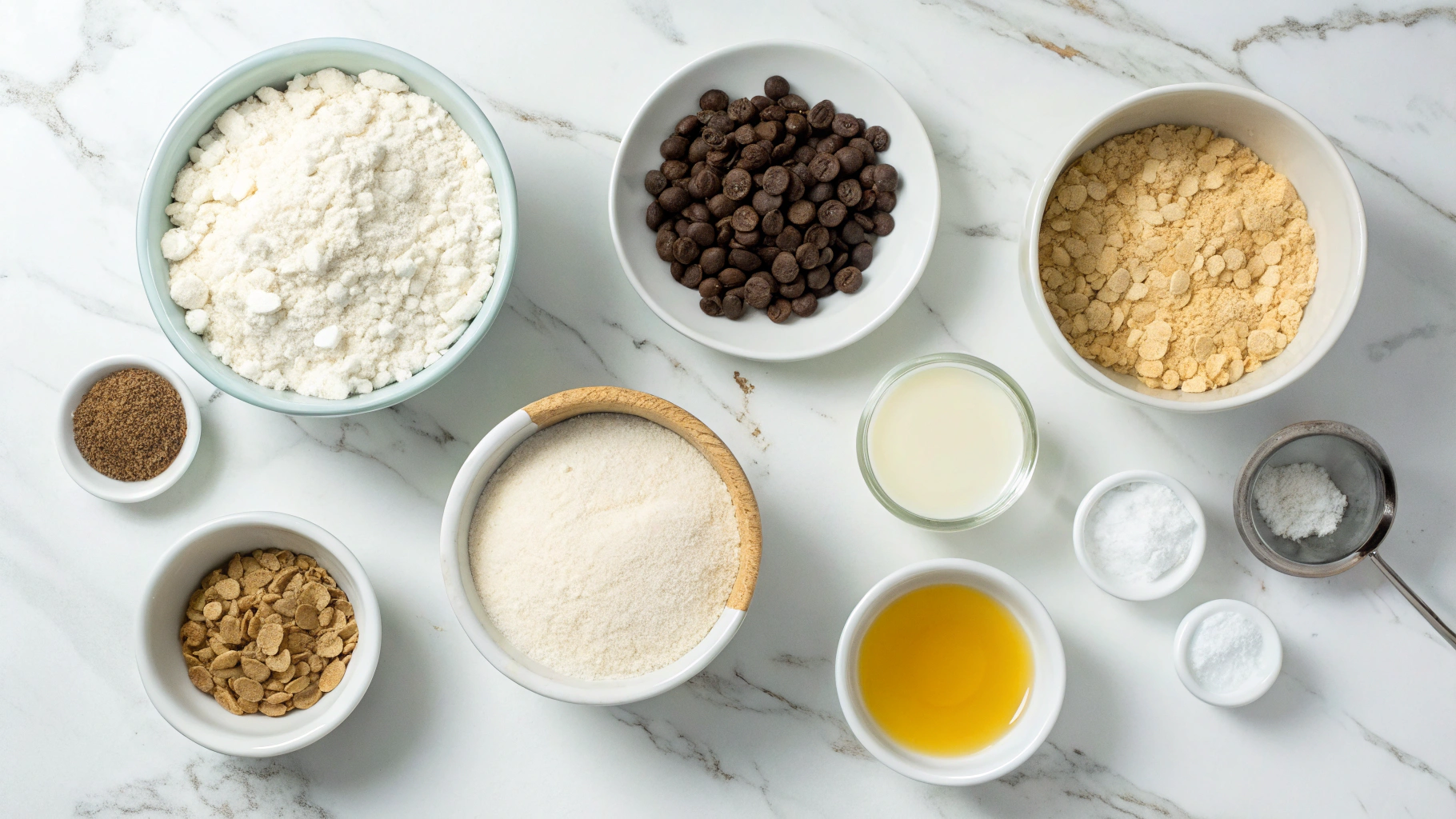
This master recipe makes about 18–20 medium cookies, depending on scoop size. It’s designed to be:
- 100% vegan (no dairy, no eggs)
- Simple enough for beginner bakers
- Flexible for gluten-free or whole-grain swaps
Base Ingredients
- 1/2 cup (115 g) coconut oil or vegan butter, softened
- Coconut oil gives a subtle coconut note; vegan butter tastes more classic.
- Must be soft (not melted) for ideal texture.
- 3/4 cup (150 g) light brown sugar, packed
- Adds moisture, chewiness, and a caramel-like flavor.
- 1/4 cup (50 g) organic cane sugar or white sugar
- Helps with spread and crisp edges.
- 1/4 cup (60 ml) unsweetened plant milk
- Almond, oat, soy, or cashew milk—just avoid sweetened vanilla if you don’t want extra sugar.
- 2 tsp pure vanilla extract
- Key aromatic note in most classic cookie recipes.
Egg Replacement & Structure
- 2 tbsp ground flaxseed (flax meal)
- 5 tbsp (75 ml) warm water
- This creates a flax “egg”, a common binder in vegan baking to replace chicken eggs.
- Adds fiber and omega-3s while helping cookies hold together.
Dry Ingredients
- 1 3/4 cups (220 g) all-purpose flour
- Provides structure; see substitution ideas below for whole wheat or gluten-free options.
- 1/2 tsp baking soda
- Helps cookies rise slightly and spread.
- 1/2 tsp baking powder
- Adds lift and softness.
- 1/2 tsp fine sea salt
- Balances sweetness and enhances flavors.
Mix-Ins (Customize Your Vegan Cookie Recipes)
- 1 cup (170 g) dairy-free dark chocolate chips or chunks
- Choose vegan chocolate with at least 50–70% cacao for a richer taste.
Optional add-ins to create variations:
- 1/2 cup chopped nuts (walnuts, pecans, almonds) – for crunch and healthy fats
- 1/2 cup rolled oats – for a heartier, oatmeal-style vegan cookie
- 1/2 cup raisins, cranberries, or chopped dates – for natural sweetness
Suggested Substitutions
To make this base work for many vegan cookie recipes:
- Gluten-free:
- Use a 1:1 gluten-free baking flour blend instead of all-purpose flour.
- Add 1–2 tbsp extra plant milk if the dough feels dry.
- Whole-grain:
- Replace up to 50% of the all-purpose flour with white whole wheat or spelt flour.
- Lower refined sugar:
- Swap half the brown sugar for coconut sugar.
- Reduce the white sugar by 1–2 tbsp if you prefer less sweet cookies.
- Oil-free (experimental):
- Use 1/2 cup runny natural peanut butter or almond butter instead of oil and slightly more plant milk as needed. Cookies will be denser but still tasty.
These adjustments let you move from classic vegan chocolate chip cookies to healthier plant-based treats without losing that satisfying cookie experience.
Timing

One of the best things about these vegan cookie recipes is how fast they come together.
- Prep time: 15–20 minutes
- Making the flax egg, mixing dough, preheating oven, scooping.
- Chill time (recommended): 20–30 minutes
- Helps control spread and deepen flavor.
- Bake time: 10–12 minutes per tray
- Cooling time: 10–15 minutes (on the tray, then rack)
- Total active time: About 20–25 minutes
- Total elapsed time (including chill + cool): 45–60 minutes
Many traditional cookie recipes take similar time, but the eggless, dairy-free nature here means you can safely taste the dough and adjust flavor before baking—a perk unique to vegan cookie recipes.
Step-by-Step Instructions
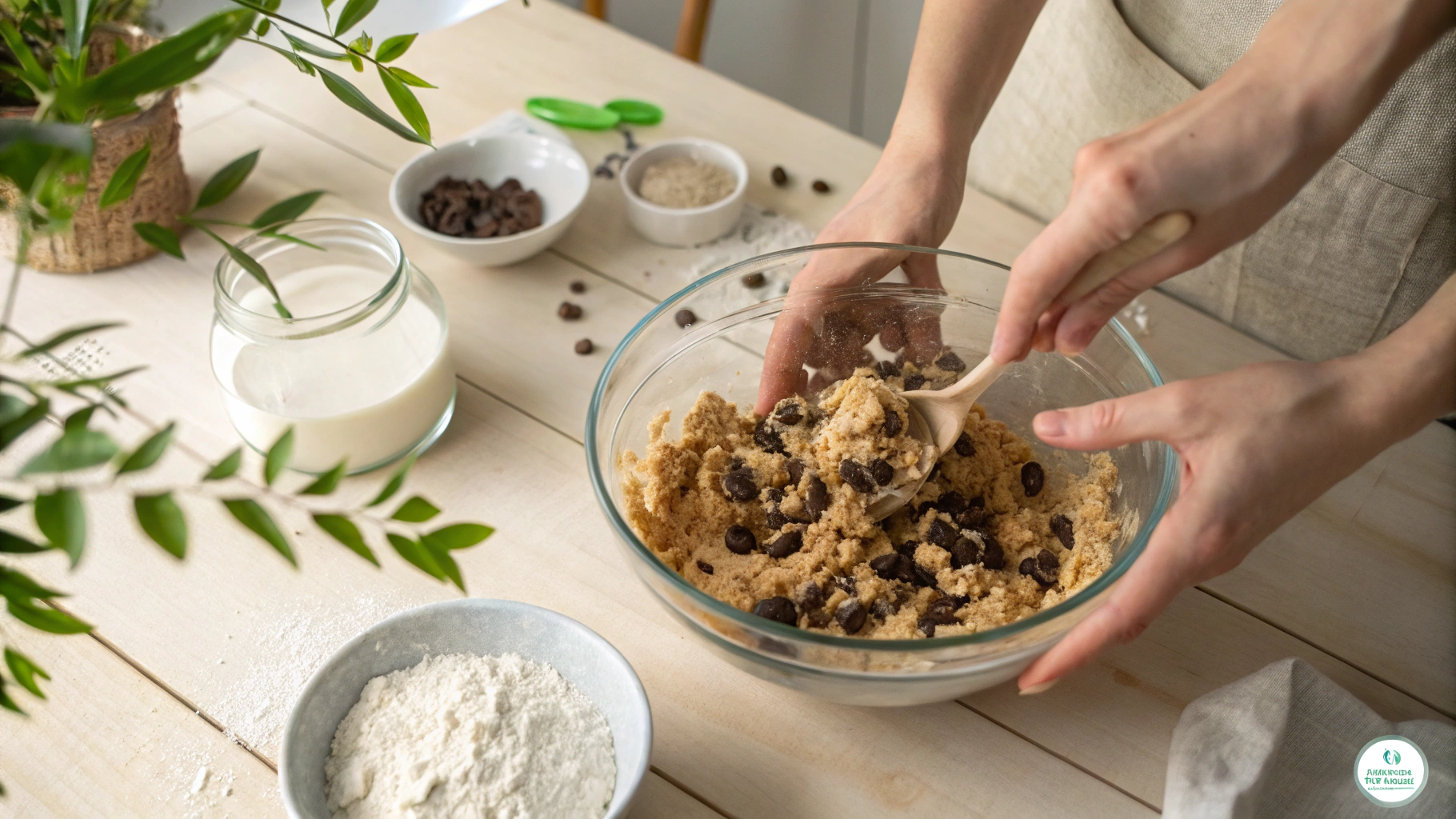
Step 1: Make the Flax Egg
In a small bowl:
- Combine 2 tbsp ground flaxseed with 5 tbsp warm water.
- Stir well and let sit for 5–10 minutes until it thickens into a gel-like consistency.
This mixture mimics the binding power of a real egg and is essential for structure in egg-free cookies.
Tip: If it looks too watery after 10 minutes, add 1 extra teaspoon of flax meal and wait another few minutes.
Step 2: Cream the Fat and Sugars
In a large mixing bowl:
- Add the softened coconut oil or vegan butter, brown sugar, and white sugar.
- Beat with a hand mixer or stand mixer on medium speed for 2–3 minutes, until light and fluffy.
The goal is to incorporate air and dissolve some of the sugar, which helps create a tender, chewy texture.
Tip: If mixing by hand, use a sturdy whisk or wooden spoon and give it a solid 3–4 minutes of vigorous mixing.
Step 3: Add Wet Ingredients
To the creamed mixture, add:
- The flax egg
- Plant milk
- Vanilla extract
Mix again until fully combined and smooth.
At this point, your batter should look glossy and slightly thinner than traditional cookie dough—don’t worry, the flour will firm it up.
Step 4: Mix the Dry Ingredients Separately
In another bowl, whisk together:
- Flour
- Baking soda
- Baking powder
- Salt
This helps distribute leavening agents evenly, preventing pockets of baking soda that could affect flavor and texture.
Step 5: Combine Wet and Dry
Gradually add the dry ingredients to the wet mixture:
- Mix on low speed or fold with a spatula just until no visible streaks of flour remain.
- Avoid over-mixing, which can create tough cookies.
The dough should be soft but hold its shape when scooped.
Step 6: Fold in Mix-Ins
Gently fold in:
- Dairy-free chocolate chips
- Any optional nuts, oats, or dried fruit
This is where your vegan cookie recipes start to differentiate:
- For classic chocolate chip, stick to just chips.
- For oatmeal raisin, use oats + raisins and reduce chocolate.
- For triple chocolate, use chocolate dough (add cocoa powder) + chips + chunks.
Tip: Reserve a few chocolate chips to press on top of each cookie before baking for a bakery-style look.
Step 7: Chill the Dough
Cover the bowl and:
- Chill in the refrigerator for 20–30 minutes.
Chilling:
- Solidifies the fat, reducing overspreading.
- Enhances flavor as the sugars hydrate and the gluten relaxes.
You can chill for up to 24–48 hours; flavor actually improves with longer rests.
Step 8: Shape and Bake
Preheat oven to 350°F (175°C). Line a baking sheet with parchment paper or a silicone mat.
- Scoop about 1.5 tbsp of dough per cookie (use a cookie scoop if you have one).
- Roll into balls and place them 2 inches (5 cm) apart.
- Slightly flatten the tops with your fingers or the back of a spoon.
Bake for 10–12 minutes, until:
- Edges are just turning golden.
- Centers still look slightly soft.
They will firm up as they cool, so avoid overbaking if you love chewy cookies.
Step 9: Cool and Enjoy
- Let cookies cool on the baking tray for 5–10 minutes.
- Transfer to a wire rack to cool completely (or eat one warm if you can’t resist).
You now have a batch of soft, chewy vegan cookies that even non-vegans will enjoy.
Nutritional Information
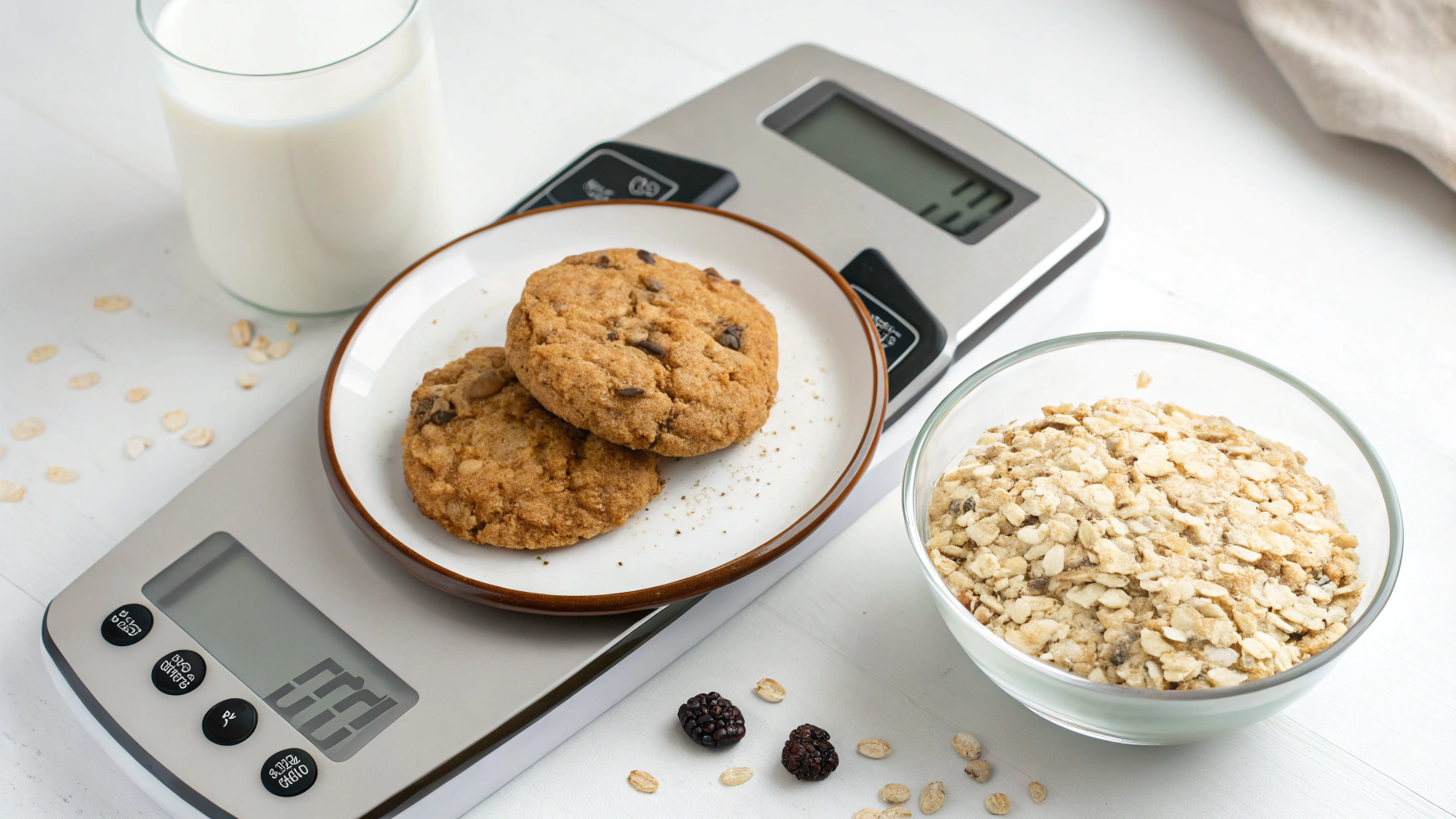
Exact nutrition will vary based on ingredients and portion size, but here’s an approximate breakdown for one medium cookie (out of 20):
- Calories: ~140–160 kcal
- Carbohydrates: 18–20 g
- Sugars: 10–12 g
- Fat: 7–8 g
- Saturated fat: 3–5 g (depends on coconut oil vs vegan butter)
- Protein: 1.5–2.5 g
- Fiber: 1–2 g
- Sodium: 70–120 mg
Compared with many conventional cookies that use butter and eggs, these vegan cookie recipes:
- Eliminate dietary cholesterol (plant foods contain none).
- Can increase fiber slightly via flaxseed and optional oats.
- Still contain sugar and should be enjoyed mindfully, but can be aligned with a balanced plant-based dessert approach.
Healthier Alternatives for the Recipe
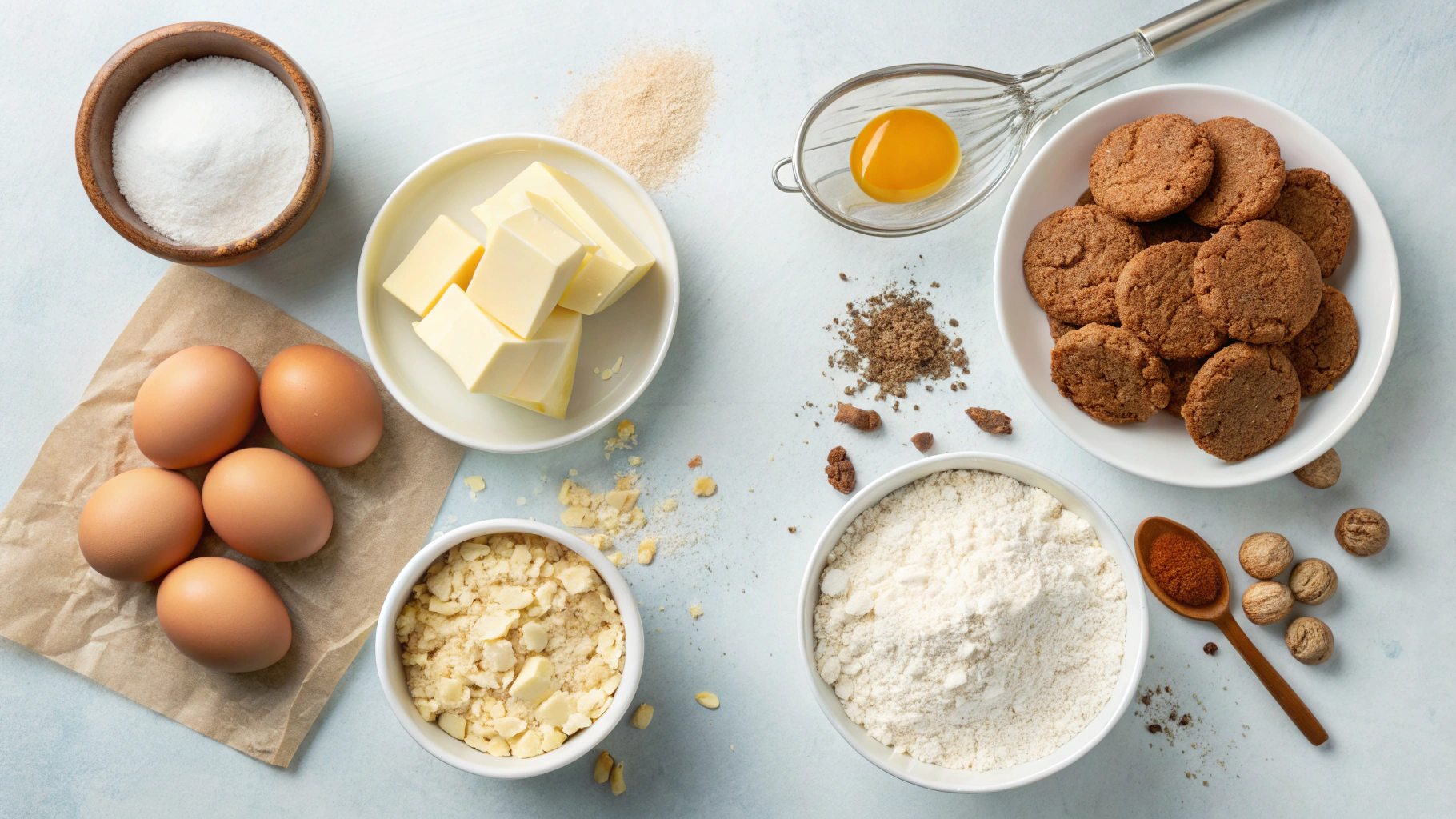
If you want your vegan cookies to fit more specific health goals, here are some evidence-informed swaps.
1. Higher Fiber & More Whole Grains
- Replace 50–100% of the flour with whole wheat pastry flour or spelt flour.
- Add 1/4–1/2 cup oats and reduce flour slightly.
Outcome: Slightly denser, heartier cookies that keep you fuller longer.
2. Lower Refined Sugar
- Swap half the brown sugar for coconut sugar or date sugar.
- Reduce total sugar by 2–3 tbsp; increase vanilla and a pinch more salt to maintain flavor.
Outcome: Less-sweet cookies with a deeper caramel flavor profile.
3. Nut-Free Variation
- Use oat milk or rice milk instead of nut milks.
- Skip any nut mix-ins; use seeds (pumpkin, sunflower) for crunch if desired.
Outcome: School-safe treats for those with nut allergies (always check labels for cross-contamination).
4. Oil-Free / Lower-Fat Version
- Replace coconut oil/vegan butter with 1/2 cup mashed ripe banana or unsweetened applesauce, plus 1–2 tbsp nut or seed butter.
- Expect a more cake-like, soft cookie (still tasty but different in texture).
Serving Suggestions
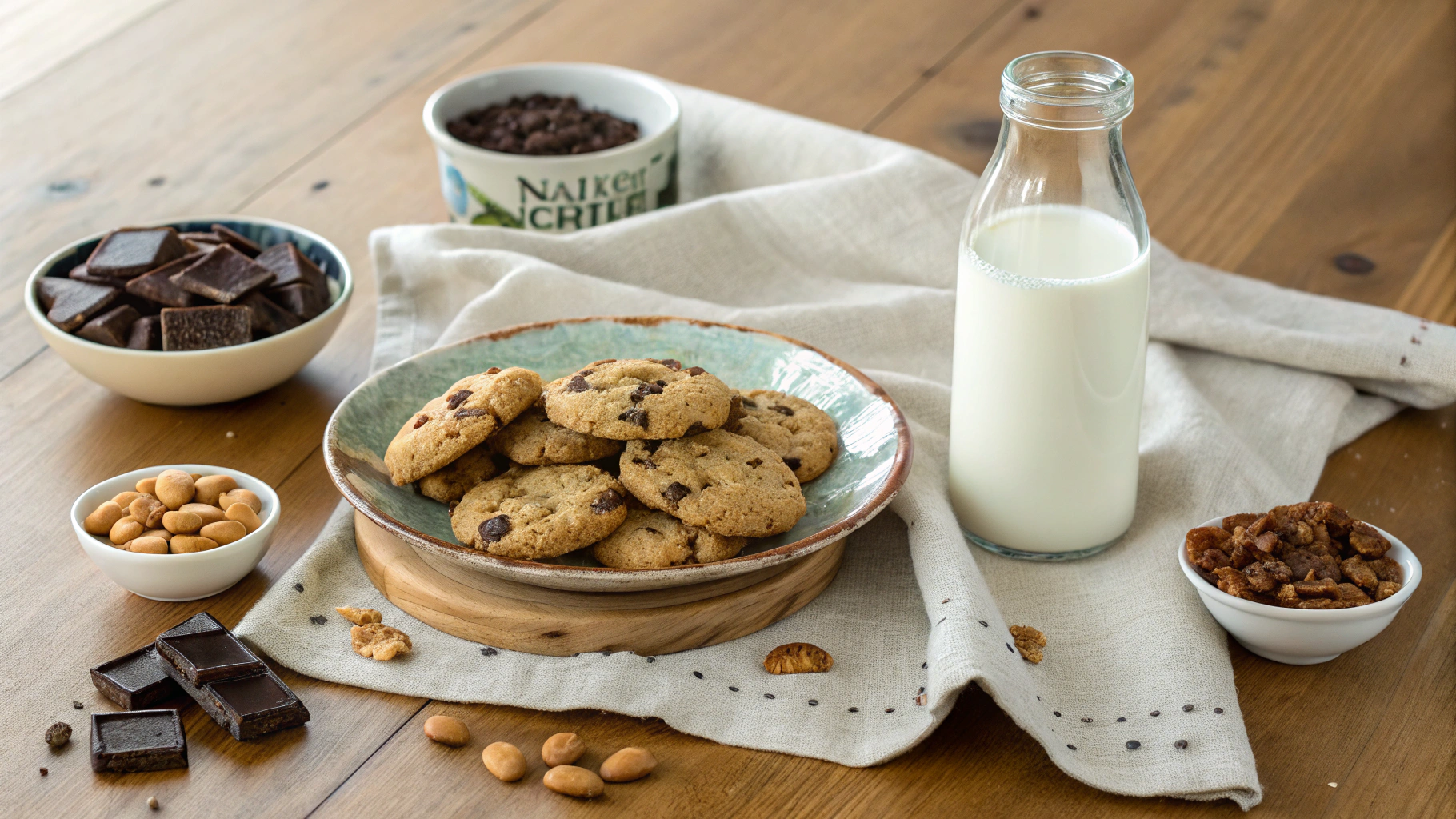
How you serve your vegan cookie recipes can elevate them from simple snacks to memorable desserts.
Classic Cookie & Milk
- Serve warm cookies with a cold glass of oat milk, almond milk, or soy milk.
- Great for kids, movie nights, or casual gatherings.
Ice Cream Sandwiches (Vegan)
- Pair two cookies with a scoop of dairy-free ice cream (coconut, oat, or cashew based).
- Roll edges in chopped nuts, mini vegan chocolate chips, or shredded coconut.
Dessert Platter
- Combine different variations:
- Chocolate chip
- Oatmeal raisin
- Peanut butter chocolate chip
- Add fresh fruit, dark chocolate squares, and nuts for a plant-based dessert board.
Breakfast-Style Cookie
- Use the higher-fiber, lower-sugar version with oats, nuts, and seeds.
- Enjoy with coffee or tea as an occasional breakfast-on-the-go or mid-morning snack.
Personalize based on your audience:
- Hosting friends? Go for ice cream sandwiches and a cookie board.
- Focused on macros? Choose smaller cookies, higher fiber, and pair with protein-rich plant yogurt.
Common Mistakes to Avoid
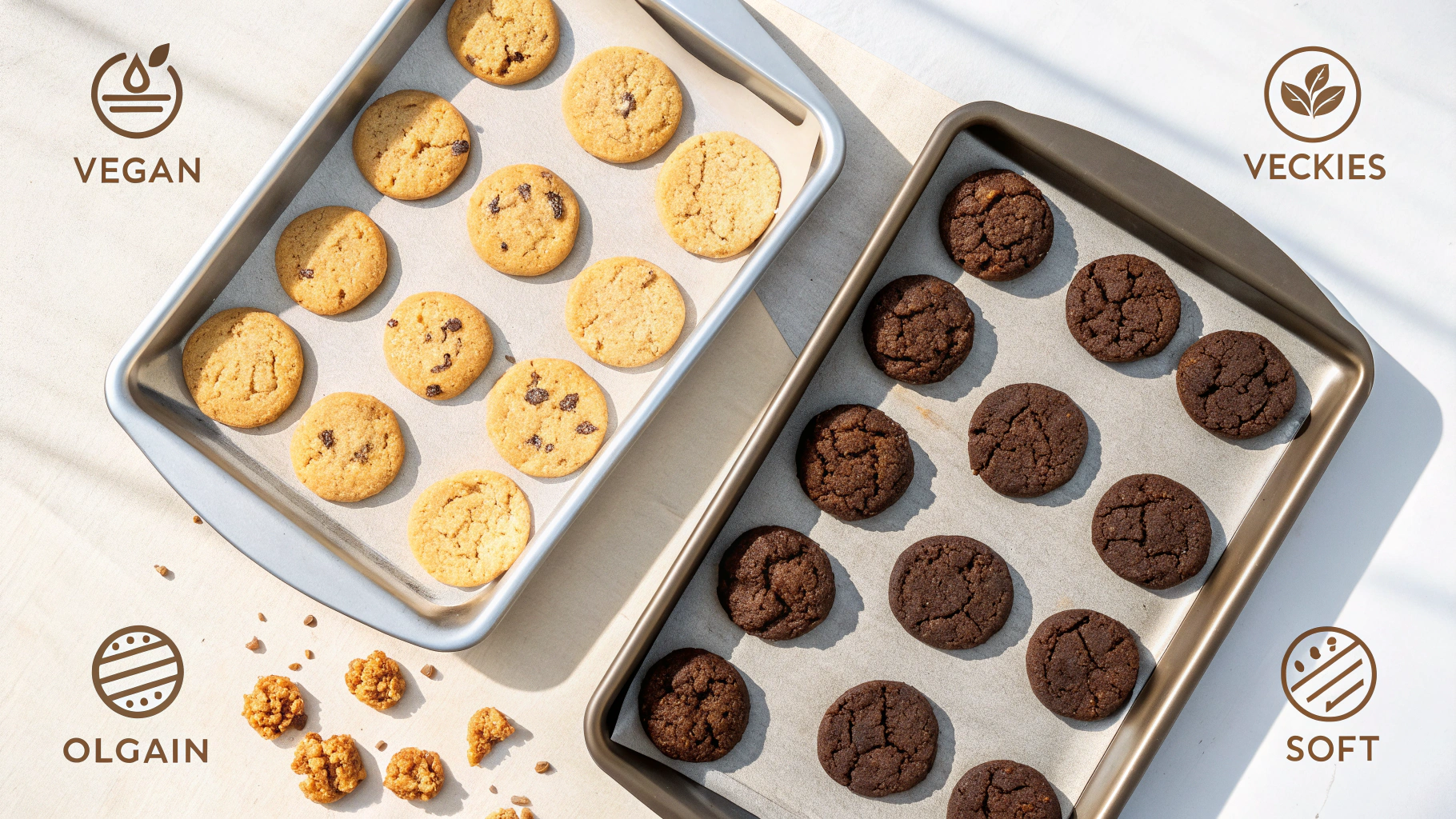
Even the best vegan cookie recipes can flop if you fall into these traps.
1. Melting the Coconut Oil/Butter Completely
Fully melted fat often leads to excessive spreading and greasy cookies.
- Keep it soft (spreadable), not liquid.
- If it accidentally melts, chill the dough longer.
2. Skipping the Chill Time
Chilling helps:
- Control spread
- Improve flavor
- Firm up the dough
Without chilling, cookies can bake too thin and lose their chewy centers.
3. Overbaking
Vegan cookies can look pale even when done. If you wait for deep browning:
- You’ll likely end up with dry, crunchy cookies.
Remove when edges are just golden and centers still look slightly underdone.
4. Over-Mixing the Dough
Once flour is added:
- Mix only until just combined.
Overworking the dough develops gluten, making cookies tough instead of tender.
Storing Tips for the Recipe
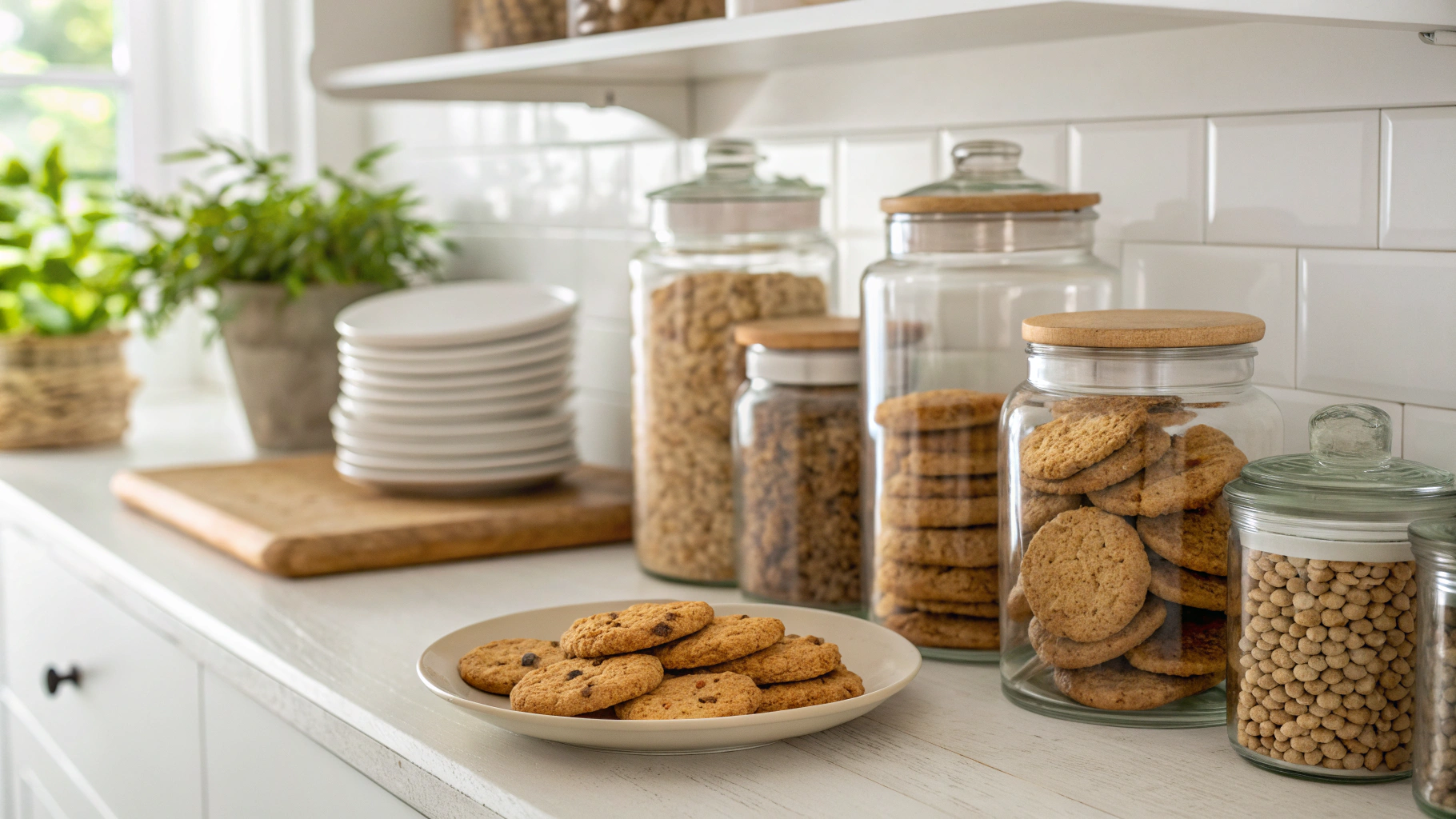
Proper storage keeps your vegan cookies delicious for days (or weeks, if frozen).
Room Temperature
- Store fully cooled cookies in an airtight container.
- Add a small piece of bread or a slice of apple if you want them to stay soft (replace every 1–2 days).
- Best eaten within 3–5 days.
Refrigeration
- Store in an airtight container for up to 7 days.
- Texture may firm up slightly; you can microwave for 5–10 seconds to soften before serving.
Freezing
- Baked cookies:
- Freeze in a single layer, then transfer to a freezer bag or container.
- Lasts up to 2–3 months.
- Thaw at room temperature or warm briefly in the oven.
- Cookie dough:
- Scoop dough into balls, freeze on a tray, then store in bags.
- Bake from frozen, adding 1–2 minutes to baking time.
Batch-freezing dough is a powerful trick: instant fresh vegan cookies on demand.
Conclusion
These flexible vegan cookie recipes start from one reliable base: a soft, chewy, eggless dough that’s easy to customize, healthier than many traditional cookies, and friendly for plant-based eaters and omnivores alike. Swap mix-ins, adjust flours or sugars, and you’ll have a go-to vegan dessert for any occasion.
Try this recipe at home, then share your results, tweaks, and favorite variations in the review section or comments on our blog. If you’d like more plant-based dessert ideas and easy vegan baking guides, don’t forget to subscribe for updates and new recipes.
FAQs
1. Are vegan cookie recipes healthier than regular cookies?
Not automatically—but they often:
- Remove cholesterol (no eggs, no dairy).
- Use ingredients like flax, oats, and nuts that add fiber and healthy fats.
They still contain sugar and should be enjoyed in moderation, but they can fit well into a balanced plant-based diet.
2. Can I make these cookies gluten-free?
Yes. Use a 1:1 gluten-free all-purpose baking blend in place of regular flour. If the dough seems crumbly, add another 1–2 tbsp of plant milk. Avoid single flours like pure almond or coconut flour, which require different ratios.
3. What can I use instead of flaxseed?
You can try:
- Chia “egg”: 2 tbsp chia seeds + 5 tbsp water
- Commercial egg replacer (follow package directions)
Texture may vary slightly, but both work well in most vegan cookie recipes.
4. Why are my vegan cookies spreading too much?
Common causes:
- Fat fully melted instead of just softened
- Dough not chilled long enough
- Too little flour or too warm a kitchen
Fix it by chilling the dough longer and adding 1–2 tbsp flour if it feels very sticky.
5. Can I reduce the sugar without ruining the texture?
You can typically reduce total sugar by up to 25% without major issues. To maintain flavor:
- Increase vanilla slightly
- Add a pinch more salt
- Consider using mix-ins like dark chocolate or dried fruit that bring additional sweetness
6. How do I make my vegan cookies chewier vs. crispier?
For chewier cookies:
- Use more brown sugar than white
- Slightly underbake
- Chill the dough longer
For crispier cookies:
- Increase white sugar slightly
- Flatten cookies more before baking
- Bake a minute or two longer, watching closely