Table of Contents
Introduction
Can changing the way you cook chicken breast—without adding heavy cream, deep-frying, or sugary sauces—really turn it into one of the most powerful tools for weight management and heart health?
According to USDA data, a 100 g serving of skinless chicken breast has around 31 g of protein with very little saturated fat. That makes it a lean-protein superstar. Yet many healthy chicken breast recipes end up dry, bland, or overly complicated, which is why people keep going back to less healthy options.
In this post, I’ll walk you through one ultra-versatile “base” recipe: a one-pan lemon herb baked chicken breast that you can transform into multiple easy, healthy chicken dinners. We’ll cover:
- A clear ingredient list with smart substitutions.
- Timing and prep strategy to save you time on busy weeknights.
- Step-by-step instructions with flavor-boosting tips.
- Full nutritional breakdown, healthier swaps, serving ideas, storage tips, and common mistakes.
You can use this as your go-to template for countless high-protein chicken breast meals, from low-carb to Mediterranean-style to meal-prep friendly bowls.
Ingredients List
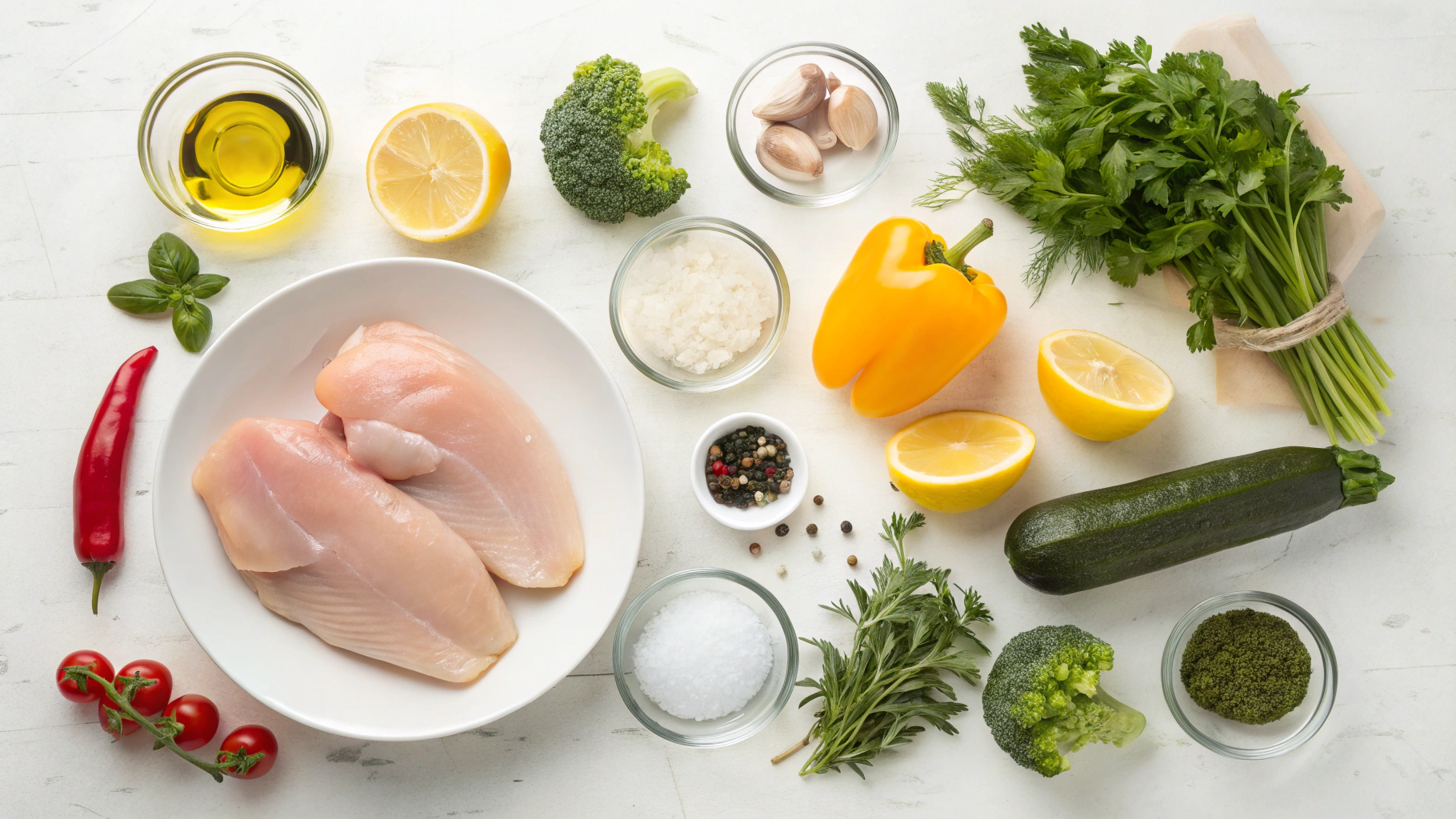
This recipe makes 4 servings and is designed as a flexible base you can remix into many healthy chicken breast recipes.
Main Ingredients
- 4 skinless, boneless chicken breasts (about 150–180 g / 5–6 oz each)
- Lean, mild, and perfect for absorbing flavor.
- NLP variations: lean chicken fillets, boneless chicken cutlets.
- 2 tbsp extra-virgin olive oil
- Heart-healthy fat, helps keep the chicken juicy and promotes browning.
- 3 cloves garlic, minced
- Adds deep, savory aroma—classic in Mediterranean chicken recipes.
- 1 lemon (zest + juice)
- Brightens the dish, adds freshness, and tenderizes the meat slightly.
- 1 tsp dried oregano
- 1 tsp dried thyme
- 1 tsp dried basil
- These herbs create an Italian/Mediterranean flavor profile familiar in many clean eating chicken recipes.
- ½ tsp smoked paprika (optional, but highly recommended)
- Adds gentle smokiness and gorgeous color.
- Salt and freshly ground black pepper, to taste
Vegetable “Bed” (Optional but Recommended)
These roasted veggies turn this into a complete, balanced meal:
- 1 medium red bell pepper, sliced into strips
- 1 small red onion, cut into wedges
- 1 medium zucchini, sliced into half-moons
- 1 cup broccoli florets
Tossed with a little olive oil, salt, and pepper, they roast alongside the chicken for an effortless one-pan healthy dinner.
Substitution Ideas
To keep this recipe adaptable and friendly for a wide audience:
- Chicken substitutes:
- Use turkey breast for a similar macro profile.
- For pescatarians, use firm white fish (reduce cooking time).
- Oil substitutes:
- Use avocado oil (high-heat stable) or canola oil if olive oil isn’t available.
- Herb swaps:
- Use Italian seasoning, Herbes de Provence, or a mix of cumin + coriander for a more Middle Eastern twist.
- Low-FODMAP/garlic-free:
- Omit garlic and add extra herbs plus a bit more lemon zest.
- Veggie variations:
- Swap in carrots, green beans, cherry tomatoes, or Brussels sprouts based on seasonality and personal preference.
These variations make this base one-pan dish a springboard for many healthy chicken breast recipes for weight loss, meal prep, and family dinners.
Timing
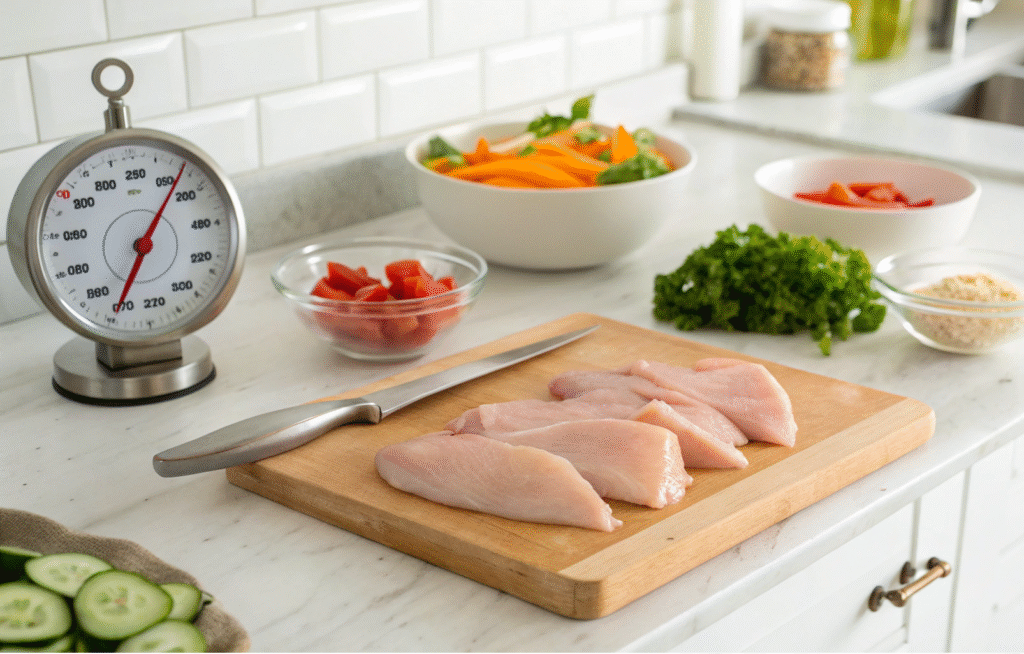
This recipe is designed to be weeknight-friendly while still feeling special enough for guests.
- Prep time: 10–15 minutes
- Trimming chicken, chopping vegetables, mixing marinade.
- Marinating time (optional but ideal): 15–30 minutes
- You can also marinate overnight for deeper flavor.
- Cook time: 20–25 minutes
- At 400°F (200°C), depending on thickness of breasts.
- Total active time: about 20 minutes
- Total elapsed time (including marinating): 40–60 minutes
Compared to many classic baked chicken recipes that can take 60–75 minutes, this version is about 20–30% faster while still delivering moist, flavorful meat and roasted vegetables in one pan.
Step-by-Step Instructions
Step 1: Prep the Chicken
Pat the chicken breasts dry with paper towels. This simple move helps them sear and brown better instead of steaming in their own moisture.
- If the breasts are very thick, slice them horizontally into cutlets or pound them to an even thickness (about 1.5–2 cm / ½–¾ in).
- Even thickness = more even cooking, which reduces the risk of dry, overcooked edges.
Tip: If you’re new to cooking lean protein, this one step (even thickness) is the difference between dry diet chicken and juicy, restaurant-style healthy chicken breast recipes.
Step 2: Make the Lemon Herb Marinade
In a medium bowl, whisk together:
- Olive oil
- Lemon zest and juice
- Minced garlic
- Oregano, thyme, basil
- Smoked paprika (if using)
- Salt and pepper
Taste the marinade—it should be bright, slightly salty, and pleasantly garlicky. Adjust salt, acid (lemon), or herbs based on your preference.
Tip: If you like heat, add ¼ tsp chili flakes or a splash of hot sauce for a spicy high-protein chicken dish.
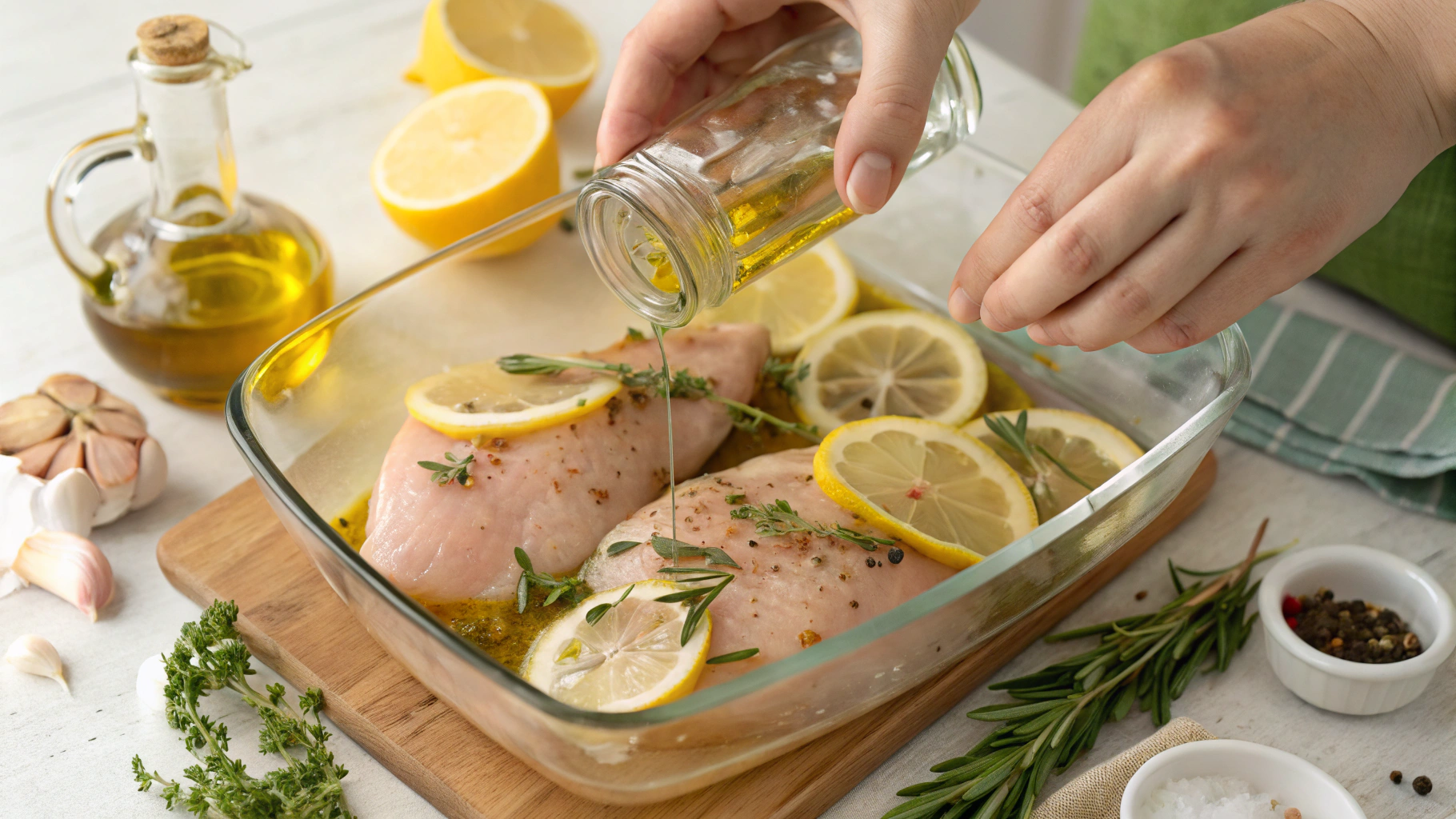
Step 3: Marinate the Chicken
Place the chicken breasts in a shallow dish or zip-top bag.
- Pour the marinade over them, ensuring each piece is nicely coated.
- Marinate at room temperature for 15–30 minutes if cooking soon, or up to 8–12 hours in the fridge.
Flip once halfway through if marinating in a dish.
Time-saving hack: Double the marinade and chicken, cook one batch tonight, and freeze the second batch raw in the marinade. You’ll have a ready-to-bake healthy chicken breast dinner for another week.
Step 4: Prep the Veggie Bed
Preheat your oven to 400°F (200°C).
On a large baking sheet or roasting pan:
- Add your chopped vegetables (bell pepper, onion, zucchini, broccoli).
- Drizzle with 1 tbsp olive oil, season with salt and pepper, and toss to coat.
- Spread in an even layer, leaving space for the chicken breasts.
This vegetable base will soak up the lemony chicken juices, turning simple veggies into a flavorful side without extra effort.
Step 5: Arrange and Bake
Place the marinated chicken breasts on top of or nestled among the vegetables.
Bake at 400°F (200°C) for about 20–25 minutes, or until:
- The internal temperature reaches 165°F (74°C) at the thickest point (use a meat thermometer for precision).
- Juices run clear when pierced.
Tip: For extra browning, switch to broil for the final 2–3 minutes, watching closely to prevent burning.
Step 6: Rest and Slice
Remove the pan from the oven and let the chicken rest for 5–7 minutes.
- Resting allows juices to redistribute, keeping the chicken moist when sliced.
- Slice against the grain for the most tender bite.
Now you have a full tray of lemon herb chicken breast and roasted vegetables—a complete, macro-balanced meal base.
Nutritional Information
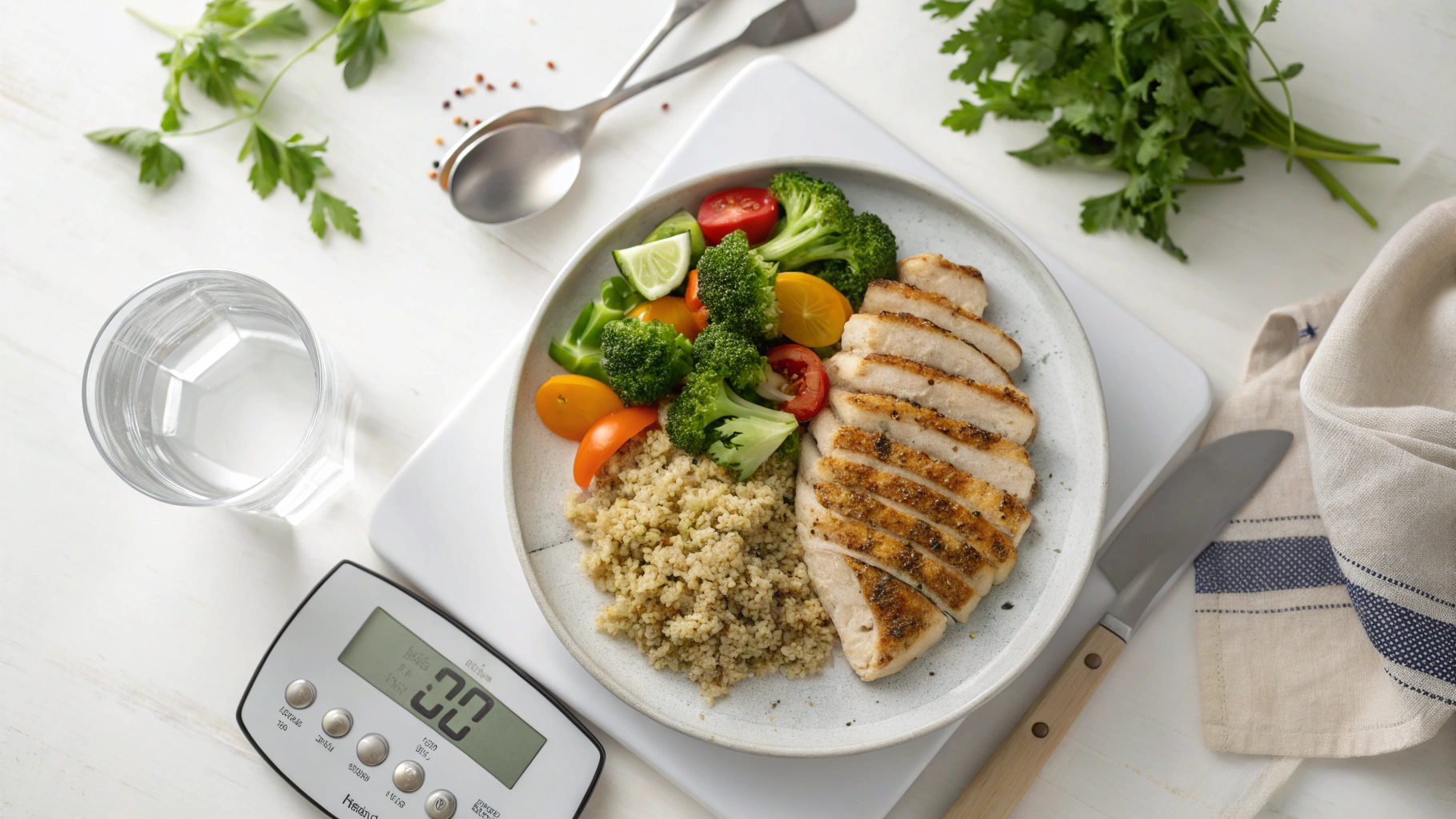
Here’s an approximate nutritional breakdown per serving (1 chicken breast + a generous portion of roasted vegetables), based on standard database values.
Per Serving (1 of 4)
- Calories: ~310 kcal
- Protein: ~35 g
- Carbohydrates: ~12–15 g
- Fiber: 3–4 g
- Sugars (naturally occurring from veg): 5–7 g
- Fat: ~12–14 g
- Saturated fat: ~2 g
- Sodium: varies by salt used, ~350–450 mg if moderately seasoned
Why This Fits “Healthy Chicken Breast Recipes”
- High protein, moderate calories:
- Around 35 g of high-quality protein supports muscle maintenance and satiety.
- Low in saturated fat:
- Using skinless breast and olive oil keeps saturated fat relatively low, supporting heart health.
- Rich in micronutrients:
- Vegetables add potassium, vitamin C, vitamin A, and antioxidants.
Paired with a small side of whole grains (e.g., quinoa or brown rice), this becomes a nutritionally complete balanced plate.
Healthier Alternatives for the Recipe
One of the strengths of this dish is how easily it adapts to different healthy eating patterns.
1. Low-Carb / Keto Version
- Skip starchy vegetables like carrots or potatoes.
- Emphasize non-starchy veg: broccoli, zucchini, bell peppers, spinach.
- Add a small serving of avocado on the side for extra healthy fats.
2. Lower-Sodium Option
- Reduce added salt by 25–50%.
- Load up on herbs, lemon, garlic, and black pepper for flavor.
- Use no-salt-added seasoning blends or potassium-rich herbs like parsley.
3. Dairy-Free “Creamy” Variation
If you usually rely on cheese or cream in chicken recipes:
- After baking, stir in a spoonful of tahini or plain hummus into the pan juices for a dairy-free creamy sauce.
- Or serve with a side of Greek-style coconut yogurt mixed with lemon and herbs.
4. High-Fiber Boost
- Add chickpeas or white beans to the vegetable mix before roasting for extra fiber and plant-based protein.
- Serve over quinoa or farro for a hearty, Mediterranean-style grain bowl.
These swaps let you keep the essence of healthy chicken breast recipes while tailoring them to your current health goals—weight loss, gut health, heart health, or blood sugar control.
Serving Suggestions
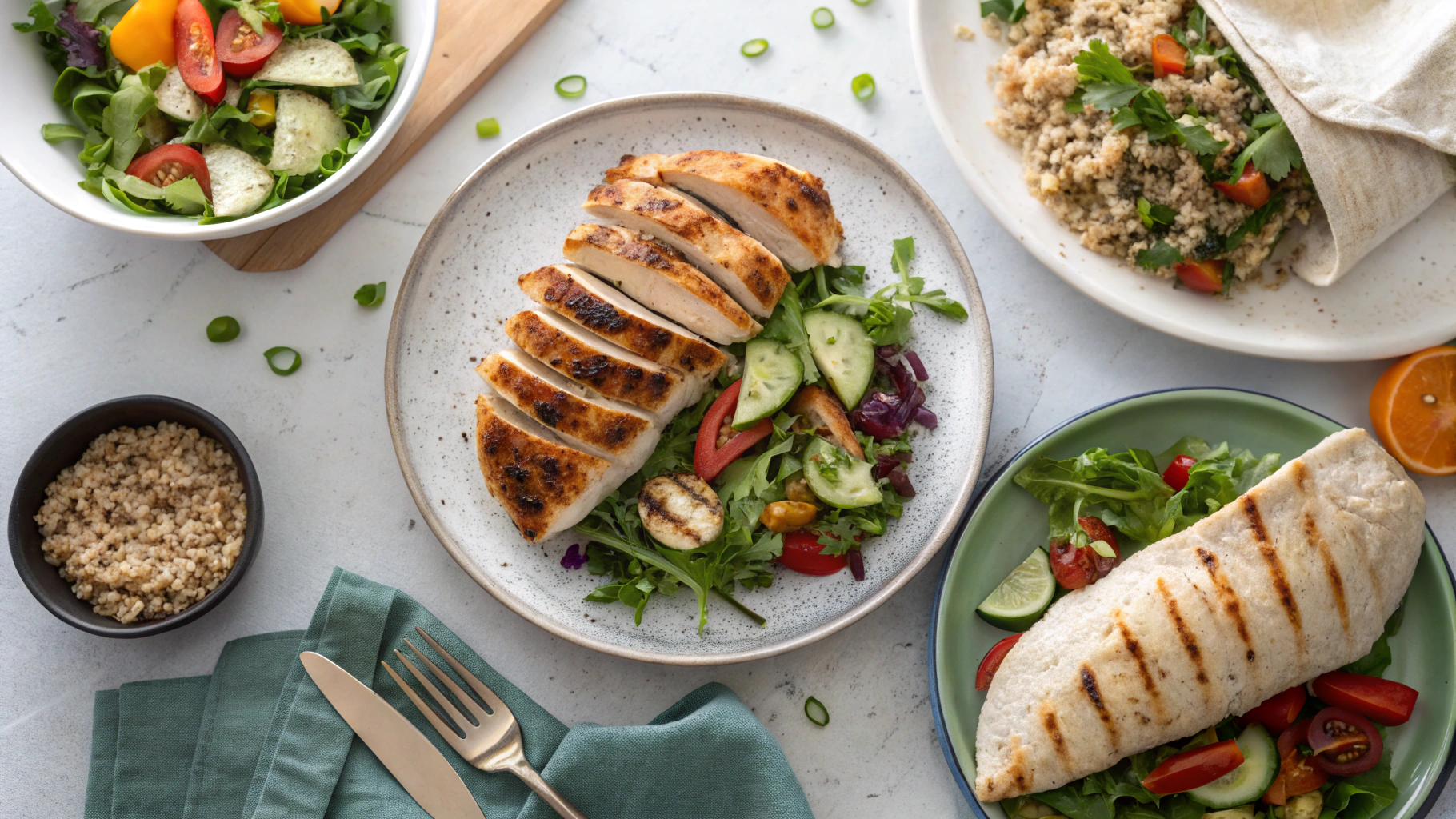
Here’s how to turn this simple tray bake into multiple healthy chicken breast meals throughout the week.
Simple Plate Dinner
- Serve sliced chicken with a large scoop of roasted vegetables.
- Add a small side of brown rice, quinoa, or whole-grain bread if you want extra carbs.
Grain Bowl
- In a bowl, layer:
- Base of greens (spinach, arugula).
- Scoop of warm quinoa or rice.
- Sliced chicken breast.
- Roasted veggies.
- Drizzle of olive oil and lemon juice, or a dollop of Greek yogurt.
Salad Remix
- Chop leftover chicken and veggies.
- Toss with mixed salad greens, cherry tomatoes, cucumbers, and a light vinaigrette.
- This becomes a high-protein lunch salad you can prep in minutes.
Wrap or Pita
- Stuff whole-grain wraps or pita pockets with:
- Sliced chicken
- Roasted veg
- Some crunchy lettuce or cabbage
- Spoon of yogurt-garlic sauce
These serving ideas help keep your healthy chicken breast recipes exciting rather than repetitive.
Common Mistakes to Avoid
1. Overcooking the Chicken
The number one reason people “hate” chicken breast is dryness.
- Always aim for 165°F (74°C) internal temperature—no higher.
- Use a meat thermometer; it’s inexpensive and makes consistency much easier.
2. Skipping the Marinating Step
Even a 15-minute marinade:
- Enhances moisture retention.
- Deepens flavor, transforming plain chicken into something craveable.
If you’re truly short on time, at least coat with oil, herbs, and lemon right before baking.
3. Using Tiny, Crowded Pans
If the pan is overcrowded:
- Chicken and vegetables steam instead of roast.
- You’ll miss out on caramelization and those tasty browned bits.
Use a large sheet pan with some space between pieces.
4. Under-seasoning
Lean protein needs flavor support.
- Salt enhances all the other flavors; herbs and lemon provide freshness.
- Taste the marinade before adding raw chicken so you know it’s punchy enough.
Storing Tips for the Recipe
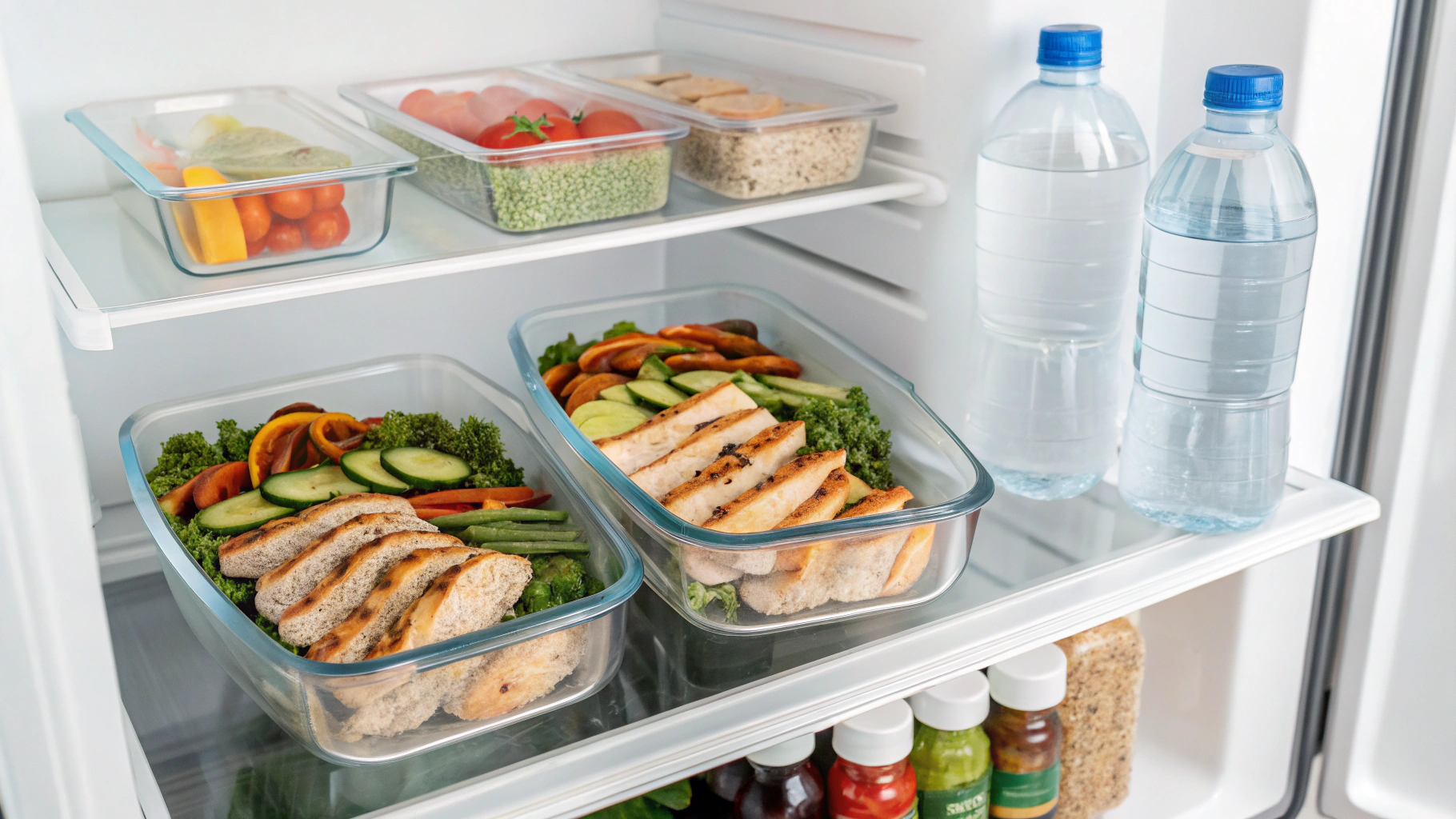
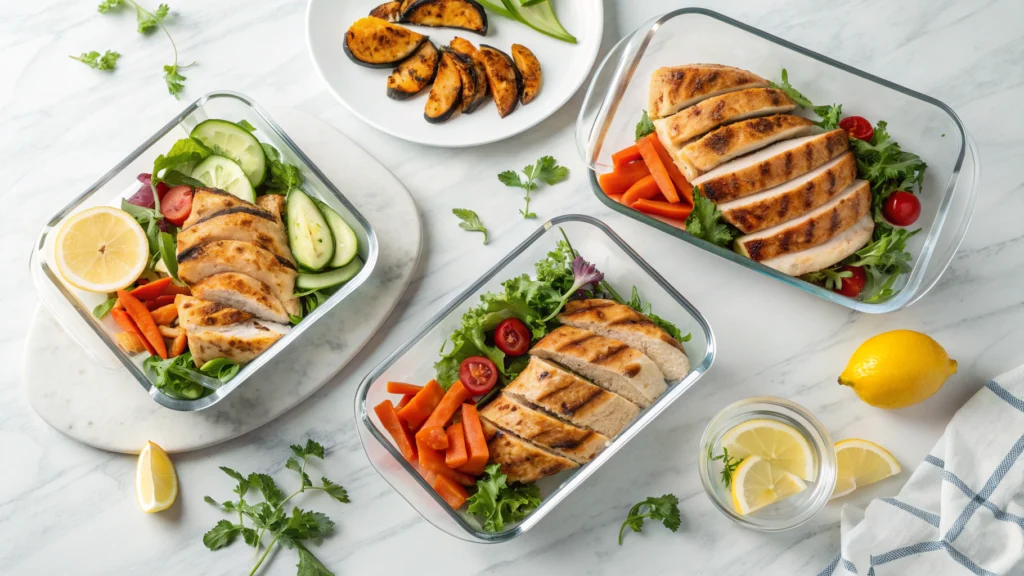
One pan of this lemon herb chicken breast can fuel several meal-prep friendly lunches and dinners.
Refrigeration
- Store chicken and vegetables in airtight containers.
- Keeps well in the fridge for 3–4 days.
- Reheat gently in the microwave or a covered skillet with a splash of water or broth to prevent drying out.
Freezing
- Cooked chicken breasts freeze well for up to 2–3 months.
- Slice or cube before freezing for easier use in salads, wraps, and bowls.
- Freeze roasted vegetables separately; some (like zucchini) may get softer upon thawing but are still great in grain bowls or stir-fries.
Meal Prep Tips
- Portion individual meals into containers:
- 1 chicken breast + 1–2 cups veggies per container.
- For best texture, keep fresh salad greens separate and add just before serving.
Proper storage ensures your healthy chicken breast recipes stay fresh, safe, and enjoyable all week.
Conclusion
This versatile lemon herb sheet-pan dish is your gateway to countless healthy chicken breast recipes: high in protein, moderate in calories, and rich in flavor. With minimal prep, smart marinating, and flexible serving ideas, you can turn one simple tray bake into multiple satisfying meals.
Try this recipe, then share your experience in the review section or leave a comment on our blog. Let us know your favorite variations, and don’t forget to subscribe for more healthy chicken dinner ideas, meal prep tips, and high-protein recipes.
FAQs
1. Can I use frozen chicken breasts for this recipe?
Yes, but thaw them completely first for even cooking. Pat them very dry before marinating so the seasoning sticks and you avoid excess water on the pan. Cooking from frozen often leads to uneven doneness and a less appealing texture.
2. Are these healthy chicken breast recipes good for weight loss?
They can be. This recipe is:
- High in protein
- Moderate in calories
- Rich in vegetables
When paired with appropriate portion sizes and a slight calorie deficit, it fits perfectly into a weight loss meal plan.
3. How can I make this recipe more kid-friendly?
- Reduce or skip smoked paprika and chili flakes.
- Slice chicken into tenders before marinating; kids tend to prefer smaller pieces.
- Serve with a familiar side like mashed potatoes or whole-grain pasta.
4. Can I grill the chicken instead of baking it?
Absolutely. For grilled healthy chicken breast recipes:
- Marinate as directed.
- Grill over medium-high heat for about 5–7 minutes per side, depending on thickness, until internal temperature hits 165°F (74°C).
- Grill veggies in a basket or on skewers alongside.
5. How do I keep chicken breast juicy when reheating?
- Reheat gently at 50–70% power in the microwave, covered, with a splash of water or broth.
- Or reheat in a covered skillet over low heat.
- Avoid reheating multiple times; portion into single servings to minimize this.
Use this guide as your blueprint, and you’ll never have to settle for dry, boring “diet chicken” again—just flavorful, reliable healthy chicken breast recipes you actually want to eat.